Label Description: The latest voyage from Randall’s Orbit Service….A wild ride with irresistable(sic) rhythms and deeply atmospheric dives. “Delerium” is the fitting conclusion!
RF- voice,instruments.

Label Description: The latest voyage from Randall’s Orbit Service….A wild ride with irresistable(sic) rhythms and deeply atmospheric dives. “Delerium” is the fitting conclusion!
RF- voice,instruments.
Label Description: -An escape from reality-
[Compact Discs forthcoming!]
Recorded late spring through late summer 2025 by David Reed
Mastering by Vitoria Regia Studios
Label Description: PREHUMAN. FLESHSTEP
This is how the material, for what became the first JK FLESH album ‘POSTHUMAN’, sounded originally.
Presented here, is the original album, mastered by JKB in 2026, with the addition of an unreleased single from the same period, intended for a then new JKB label FLESHSTEP, which for many reasons, never materialised, and the tracks were temporarily shelved.
Also inc. is a rare dub of FEAR OF FEAR, that was occasionally played out live only.
MORE DETAIL :
‘POSTHUMAN’ was the debut album for the JK FLESH project, in 2012, although the project had existed since about 1994, albeit without releases.
“POSTHUMAN wasn’t initially designed as an album that hybridised guitar and vocals with heavy electronica, it was a suggested move; those components were added after the compositions had been completed. I was happy with the tracks without the physical additions, but although never really entirely happy with the marriage, it was still an interesting and rewarding juxtaposition, that with dedicated intention (in the future, for my new post GODFLESH heavy/ugly music project) could be even more pleasing, for myself.” Justin K Broadrick / August 2026
AREC094 /
AVALANCHE RECORDINGS / 2026
All music and productions by Justin K Broadrick
at Avalanche Studio, UK. 2009 – 2013 /
Mastered by JK Broadrick 2026 /
Original ‘POSTHUMAN’ sleeve and photography by Ambigraph;
Magnified flesh. Re-treated by JKB, for this release /
Label Description: ultraluna.online/dez-anos-ao-vivo
Recorded live at the Bomber Pub in São Paulo/SP, May 2nd 2026.
Recorded, mixed and mastered by Laura Brasil.
All songs written and performed by Vinicius Mendes, except “Qlqrcoisa” written by Lucas Orilhana.
Cover photo by Vinicius Nunes.
Cover art by Vinicius Mendes.
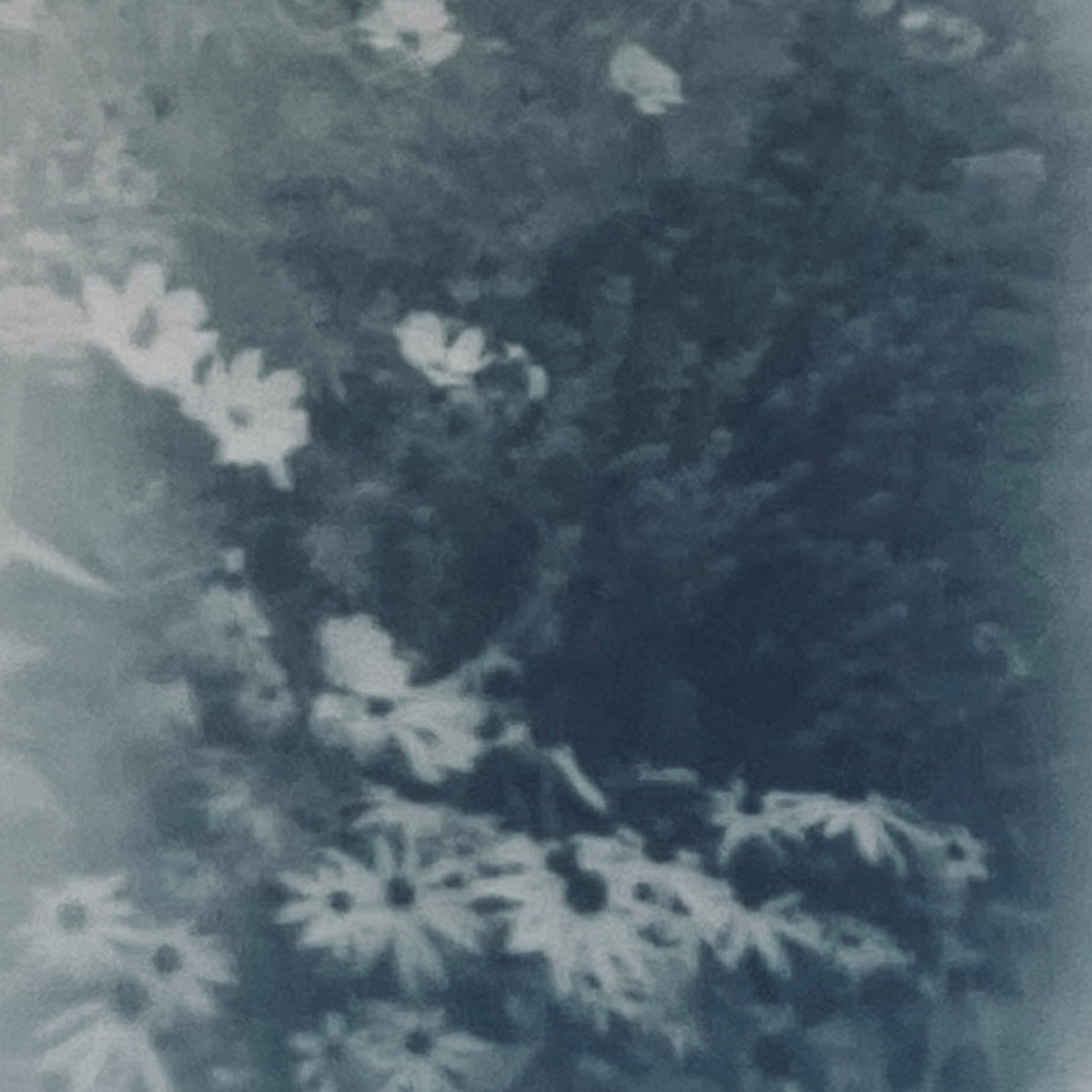
Label Description: Sweet Freeze – In Our Dream EP
This is the label’s first collaboration with Portland, Oregon lofi dream pop/experimental artist Sweet Freeze.
Dragon Trax approached Sweet Freeze to cover the song “In Our Dream’. You might remember the original by Socool & Edward Spark, which dropped in March 2024 with a brilliant jungle remix by Ordos Mk.0
Sweet Freeze has created two intriguing new versions of In Our Dream harnessing her leaning towards organic, minimalist sound, with her distinctive vocals, field recordings, and bittersweet instrumentation.
Sweet Freeze incorporated, and replicated with analog instruments, one of Socool’s skittering breakbeats into both versions.
AJ&JG and Asha Patera also reworked the Melodic version in line with their own aesthetics, taking it more towards the propulsive and the ambient respectively.
To make the EP even more special, the cover art is a stunning photographic work, Fleurs, by artist Donna Enticknap.
Percussive & Melodic versions: All instrumentation, field recordings, and vocals by Sweet Freeze, with the exception of a single electronic drum track by Socool from the original song.
Recorded on 8-track and iPhone.
Mixed and mastered by Michael Southard.
Lyrics by Socool, rearranged and revised by Sweet Freeze.
AJ&JG Mix produced by Andy Stockton and JG Stockton, mastered by JG Stockton
Asha Patera Remix produced by Asha Patera, mastered by JG Stockton
Cover Art: Fleurs (detail) by Donna Enticknap

Label Description: Cover image: A hand-drawn bat wing in white on a sky blue background, with white text saying “Dots and Lines” and “Chiropteromancy”.
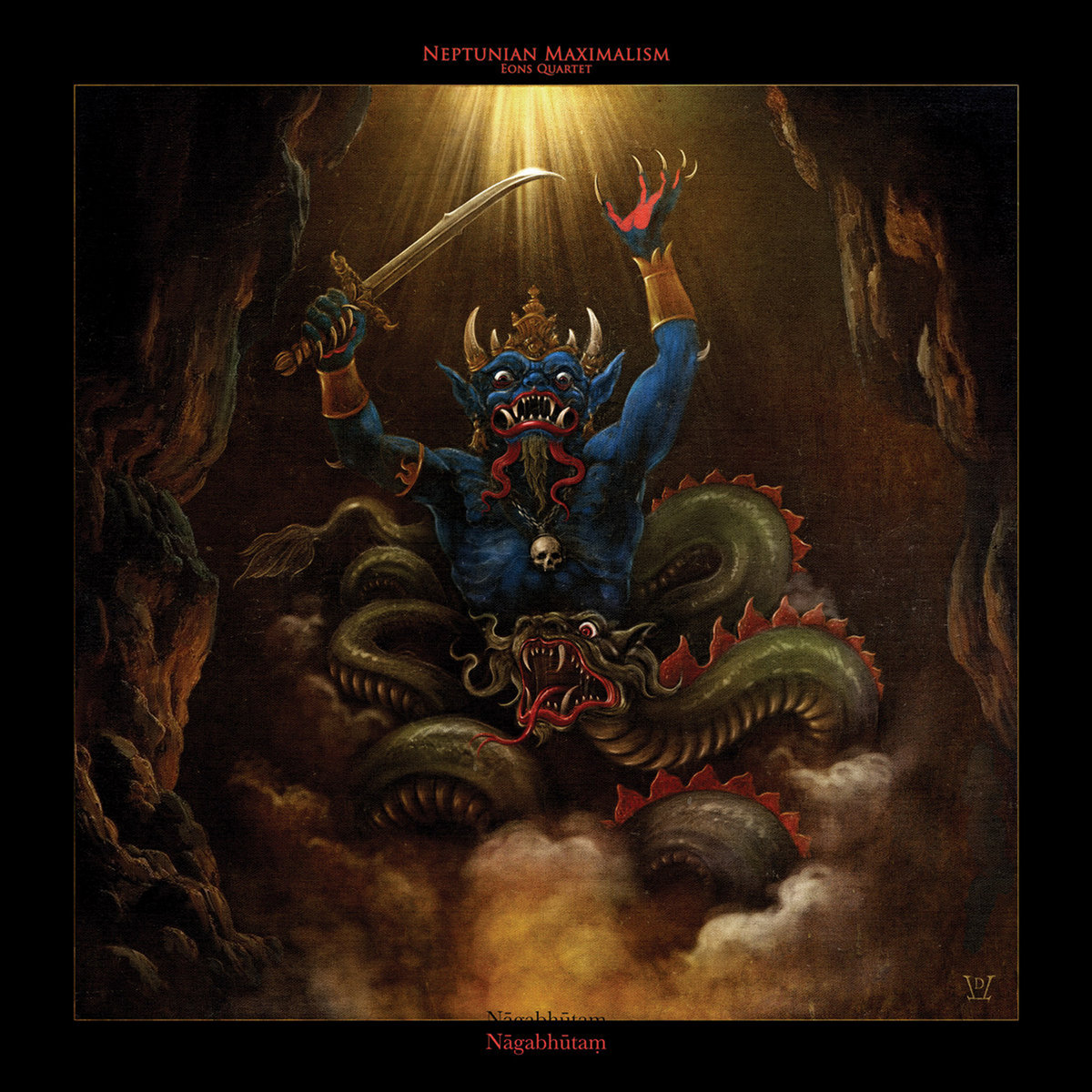
Label Description: NEPTUNIAN MAXIMALISM’s Éons Quartet is a resurrection of the original lineup, the primal spirit of NNMM, entirely improvised and as gargantuan and cataclysmic as ever, as well as a ritual steeped in black magic.
“Nāgabhūtaṃ” immortalizes a splendid concert of the quartet, who met on the stage of Le Botanique in Brussels on April 9, 2025. The long (over 42 minutes), trance-inducing recording of the event is divided into 11 tracks and is titled “Devānām madhye nāgabhūtaṃ dṛṣṭvā te bibhyati,” which means “Among the gods, at the sight of the one who has become a serpent, they are afraid.”
Jean Jacques Duerinckx unleashes his colossal saxophone while Guillaume Cazalet invokes chthonic forces with his heavy amplified guitar and ferocious vocals. Pierre Arèse, one of the original drummers, is no longer playing and is replaced by guest musician, the prolific and expressive percussionist Dirk Wachtelaer, who engages in a transcendental and martial percussion duel with Sébastien Schmit.
With a title inspired by the cover painting of the same name by the great Daniele Valeriani, “Nāgabhūtaṃ” —a term that combines the words nāga (serpent) and bhūtaṃ (to become)— is a magical ritual of spiritual transformation, a symbolic mutation in which the divine takes on evil connotations, perfectly described by NEPTUANIAN MAXIMALISM in their evocative shape-shifting drone doom with jazz and psychedelic flavors.
=== PRE-ORDER NOW ===
EU store: metalodyssey.8merch.com
US store: metalodyssey.8merch.us
12″LP VINYL
(incl. Bandcamp Digital Download and Streaming)
• 140gr. vinyl, Ltd 300 pcs: 150 black, 150 marble orange
• 350gr. sleeve, 3mm spine
• 2-page insert, black inner sleeve, outer plastic sleeve
DIGISLEEVE CD
• Deluxe 4-panel Digisleeve with glossy finish
• Limited to 300 pcs
NEPTUNIAN MAXIMALISM ° ÉONS QUARTET :
Sebastien Schmidt : drums
Dirk Wachtelaer : drums, wind gong
Jean Jacques Duerinckx : baryton & sopranino saxophone
Guillaume Cazalet : baryton electric guitar, otamatone, vocals
Recorded at Le Botanique, Brussels, Belgium, 2025 April 9th
FOH : Didier Moens
Mix : Guillaume Cazalet
Mastering : James Plotkin
Additional Processing : Iris Therasse
Artwork : Nāgabhūtaṃ (2025), Daniele Valeriani
Layout : Guillaume Cazalet
Photography : Adel Seta & Anass El Azhar Idrissi
______________
Cat. Nr. IVR287
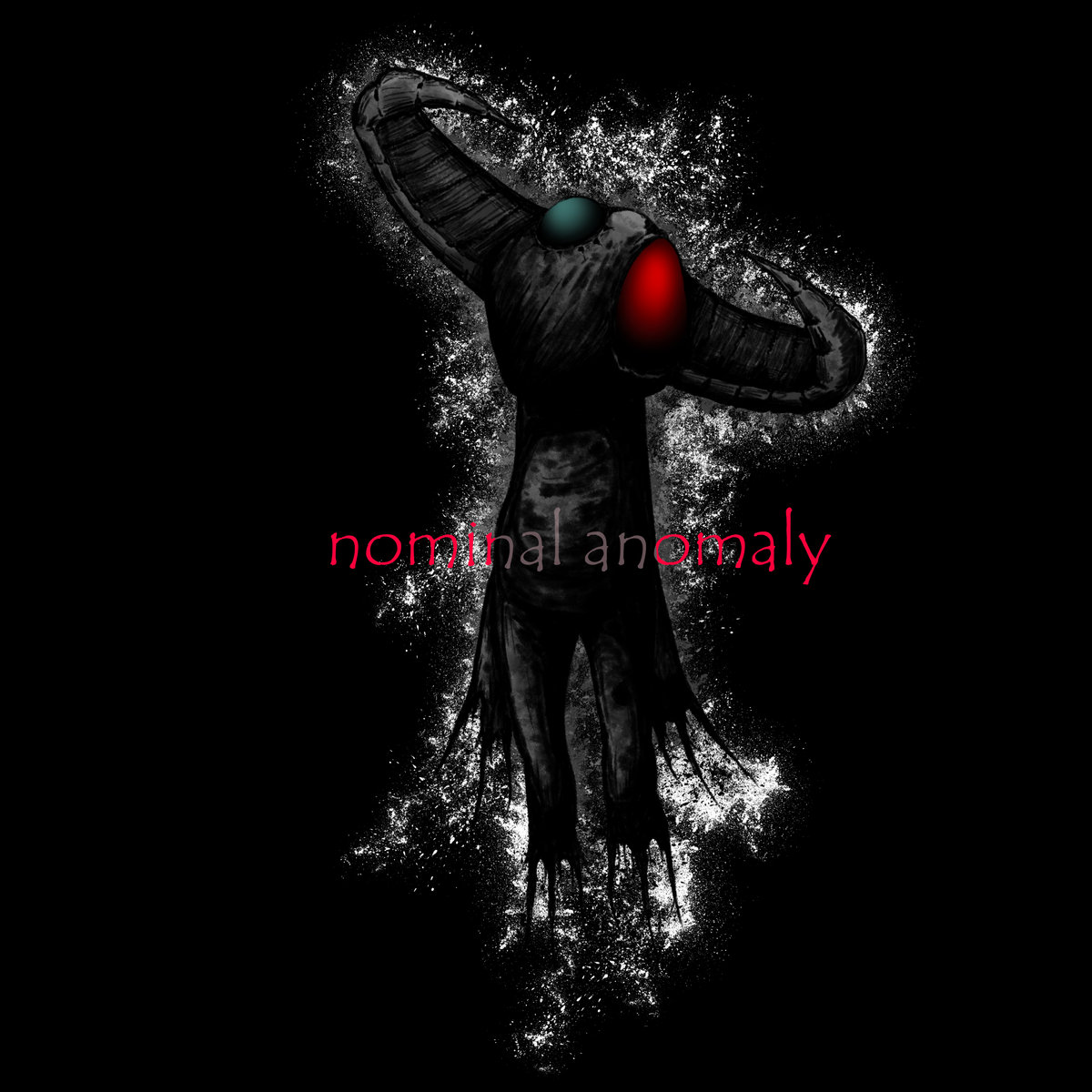
Label Description: Swamp is a snapshot in time when abrupt change required much self-reflection, and limited sleep. Prior releases focused on the outside world and in fantasies, this work returns to the self, and even captures the lyrical writing of a 20 year old now in the vessel approaching a half century.
Swamp starts out somewhat whimsical with the opening track, Headcold, and circles around for the closer, Andone. What’s in between is the tug of war between the silly stupor of tiredness, and the grip with maintaining sanity as the value of self had to be questioned.
Musically, the tracks are generally laced with a dose of heavy aggressiveness, all in a matter of driving the songs along. A groove cements the way, allowing tracks to form melodies for a well rounded core of listeners.
All music, vocals, visuals, art are done by Nominal Anomaly (NO AI)
Label Description: The music that was available this week manifested as something gentle and generous. There are some complexities in the upper partials of some notes, particularly as they interact with other higher notes, but the vibe here is very approachable. Timbres have a lot of breath in them, sounding a bit like reed instruments (bassoon, accordion), as well as the flute family. There’s plenty of space, and consideration for listeners joining us on this journey. It’s a good reintroduction to the home-built Res-O-Glas and this series.
Sending best wishes and oscillations to everyone listening, particularly for anyone facing challenges.
The titles this week are references to the visual art of Verena Bachl. Thank you for listening!
Maurice Rickard: Guitar, programming
Signal chain: Home-built Res-O-Glas Belmont > JHS Colourbox 10, Reuss Effects Understate, Reuss Effects Repeater Fuzz, Balls Effects KWB > Vox Wah > Dunlop Stereo Uni-Vibe, Hungry Robot Wardenclyffe Deluxe > Moyo Volume > Max/MSP eight-delay patch with FFT pitch shift, tremolo, convolution reverb, AudioThing Reels.
Impulses: Inchindown Oil Tanks (Matt Gray mattg.co.uk ), silent5 Biamp MR/140 (Curves 1_1_0_1), Huddersfield Town Hall (near), Fort Worden Cistern
Label Description: VINYL VERSION AVAILABLE HERE: elasticstage.com/timerival/releases/cooked-album
TIME RIVAL VISITATION QUESTIONNAIRE
CONDITION HUMAN (CNDHMN):You live in suburban Illinois. What is the most midwestern thing about you?
TIME RIVAL (TR):I grew up within one mile of the world’s largest corn maze
CNDHMN: Your album is titled ìCooked.î Care to explain? Are you a major foodie?
TR: Not really a foodie, no. I mean…I like food but I usually go for the simple things. Cooked, first and foremost, is some Gen Alpha slang. My son’s a pre-teen and into video games so he uses it in his vocabulary pretty regularly. I try to pepper it in when I talk to him just to be annoying. On top of that, though, it relates to the music because to me, this album has an over saturated, sun-bleached sound to it that connects the tracks together and makes it sound, well…cooked.
CNDHMN: Describe your journey to becoming a musician. Did you grow up in a household of music? Was it artsy? Were you always drawn to it or was it a later development?
TR: My parents aren’t musicians but they did expose me to different types of music. Listening was a big part of my upbringing, and allowing me to have my own musical tastes in my more impressionable years helped. I had a tape collection at 6 years old and a growing CD collection shortly after that. Any money I got as a kid went into buying CD’s.
I played trumpet in 5th grade band but it didn’t really interest me. My journey as a musician really started when I was around 14 years old and a friends’ older brother gave me a burned CD-R with some cracked music software on it. I taught it to myself and it really just grabbed my attention in a way nothing else did at the time. I decided to pursue music in college and played percussion in ensembles and orchestras. The engineering and production side was always more my speed though.
CNDHMN: You run the eclectic label Triplicate Recordings. Where’d the name come from and how does running it inform the music you make as Time Rival?
TR: There’s a little backstory here, in the early 2010’s I was invited to join an electronic music producer collective that we eventually called Mangled Music. There were about 12 of us ranging different styles. As the members started to lose interest and disband, I thought it would be cool to start a label with two of the artists in the group (George ìSuncastleî Ernst & Bryan ìBVSMVî Kraft) as a way to release our own music while sharing the workload. If you look back at the first year of Triplicate, all of the albums from 2018 come from the three of us. We picked Triplicate Records as a name because there were three of us, and it was a mildly amusing play on words.
As Time Rival, I record a seriously unnecessary amount of music and very little of it ends up on Triplicate Records. There are several other amazing artists that keep coming back to us and the release schedule is pretty limited, so I don’t want to take opportunities away from them because I decided to make 16 albums this year. I set aside music throughout the year that I think would be good for Triplicate and I squeeze myself into the schedule when I can.
CNDHMN: There’s a rumor you have a secret rap album as MC SOUTHSIDE MIKE called “MIC IT LIKE ITS HOT.” If false play it like it’s true. If true play it like it’s a terrible secret. So? (BONUS: your top 5 MC’s)
TR: Funny you should mention that, so I grew up listening to rap and very early on in my music production, I would find vocal stems of rap songs on file sharing services (this was pretty tough in the early days of the internet) and put them over weird beats I made. I certainly wouldn’t call it hip-hop, it was a very strange fusion. I lost all of those old recordings so I doubt they will surface any time soon.
Top 5 MC’s
Andre 3000 (Outkast)
Raekwon (Wu-Tang Clan)
Guru (Gang Starr)
Rakim (Eric B & Rakim)
Black Thought (The Roots)
CNDHMN: Time to play “Desert Island Device!” You’re stranded on a desert island and you can bring one piece of electronic gear. Doesn’t have to b e musical even. What is it?
TR: This might be a cop out answer but I’d bring a field recorder. I’m currently using the Zoom H6 and I have a few of the different mics you can swap in, but the X/Y gets the job done. If I was going to take it to a desert island I’d probably upgrade to the newer versions with 32-bit float recording to bring down that noise floor.
CNDHMN: What’s the most ridiculously overpriced piece of high end stereo equipment out there?
TR: There are some vanity home theater setups out there that cost upwards of $5,000,000 and I’m guessing a blind A/B test with a $5,000 system would be too close to call. The technology now is all pretty good, even for budget stuff. If I really wanted to splurge on something I’d build my own open baffle kit. But I would need a bigger room for that.
CNDHMN: Do you have a specific approach to making music? Any thoughts or overarching ideas when you sit down or stand to play?
TR: It starts in my paper planner when I have “new music” written for the day. I do this three times a week. I don’t always come up with something usable but I usually do. If it’s in the schedule, I just sit down and do it. I work in a few different genres so I like to switch it up to keep things interesting. I draw inspiration from field recordings, books, music, movies, etc. Even if I’m not particularly inspired, once I start working the ideas start to flow.
CNDHMN: What were the instruments used on “Cooked?” Do you have a favorite?
TR: Acoustic Instruments:
– Tongue Drums (various sizes)
– Native American Flute
– Ukulele
– Glockenspiel
– Kalimba
– Upright Piano
Electronic & Virtual Instruments
– Zoom H6
– Madrona Labs Aalto
– Madrona Labs Kaivo
– Arturia Microfreak
– Modal Electronics Skulpt Synth SE
– Ellitone Multi-Synth
I don’t really have a favorite, everything has its place
CNDHMN: Any final words before the inevitable heat death of the universe?
TR: Be nice. If everyone did that, the universe would be a much better place.
all tracks composed and recorded by michael southard
mastered by michael southard.
cover layout and design by chang terhune and michael southard.
 Music For The Rest Of Us