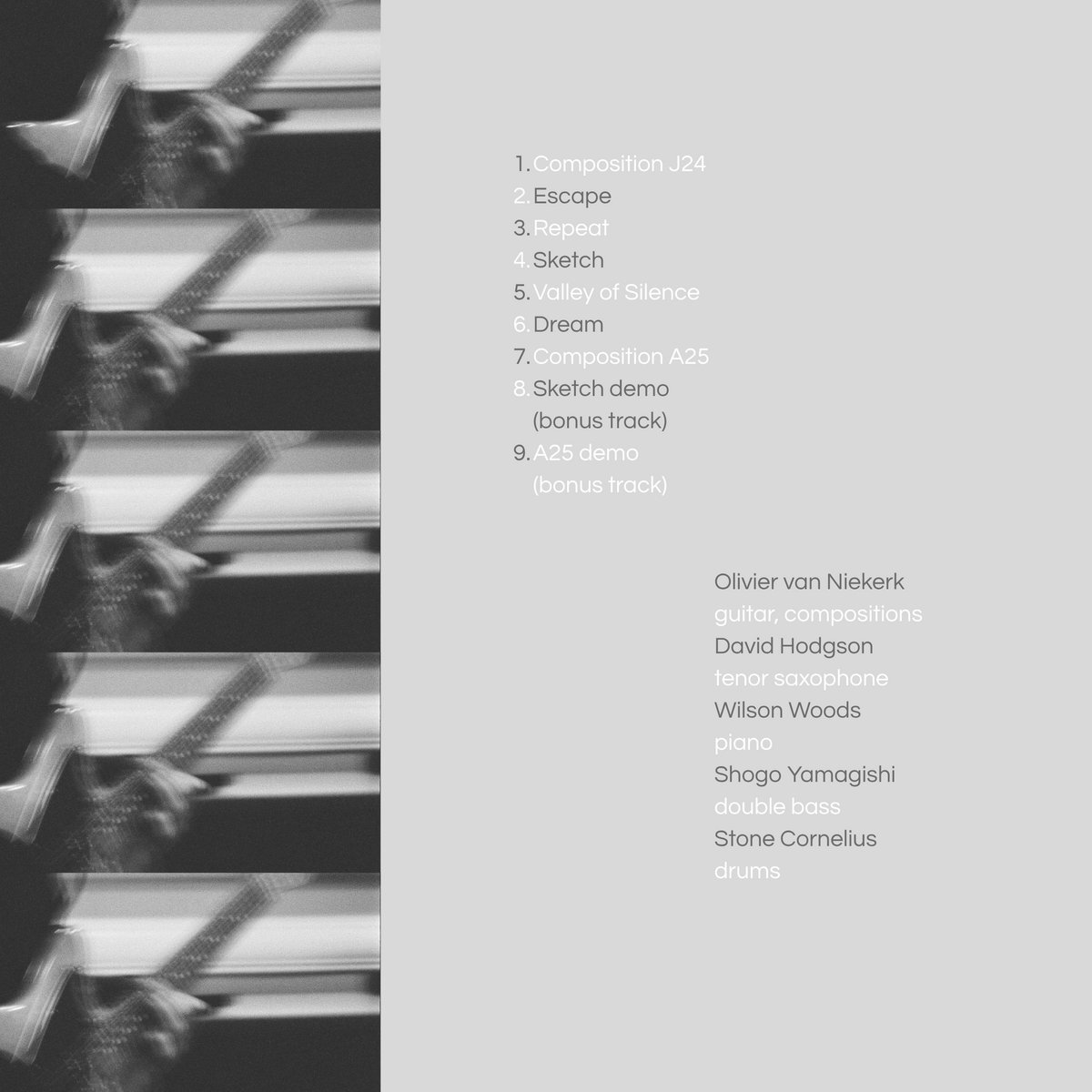
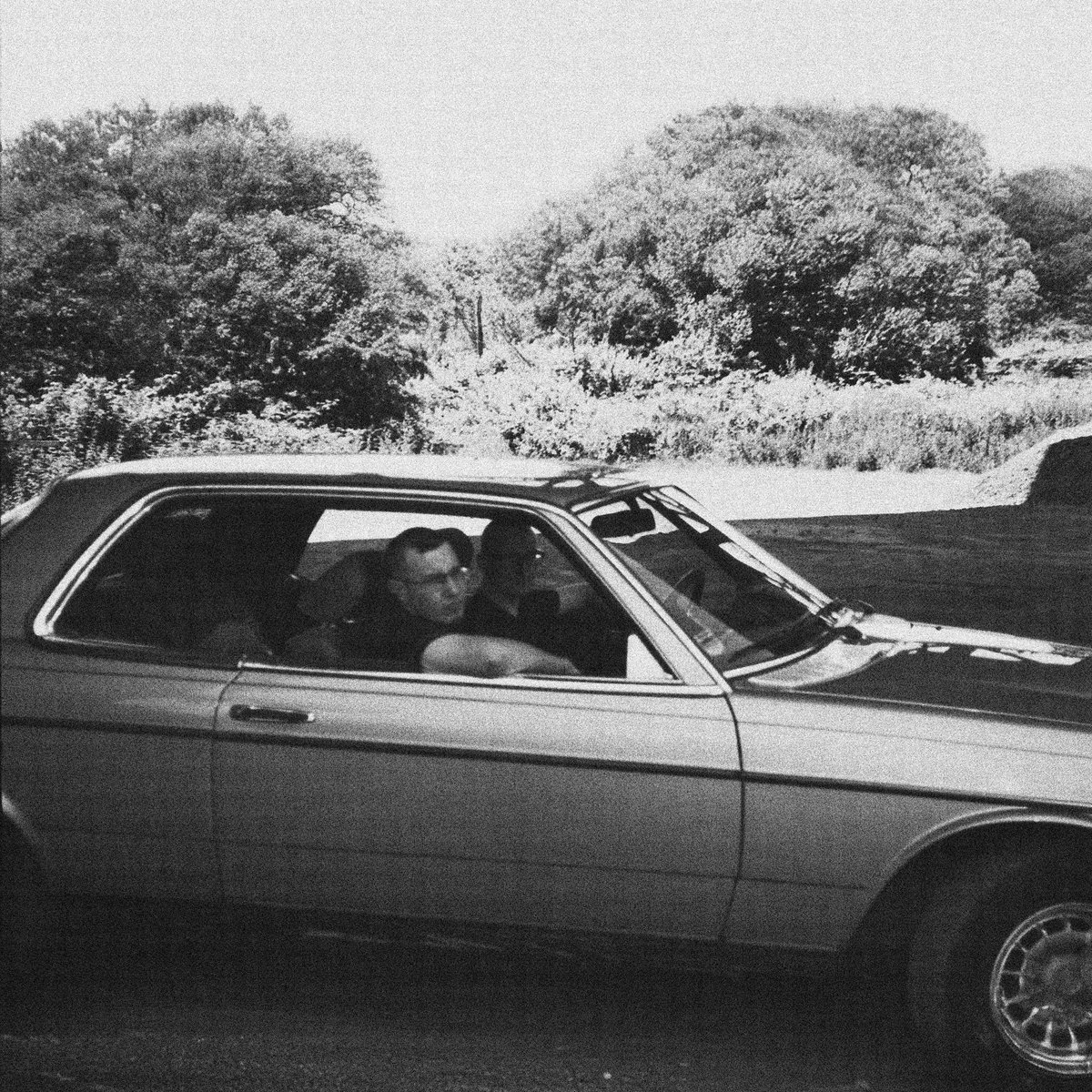
Label Description: Olivier van Niekerk – guitar, compositions David Hodgson – tenor saxophone Wilson Woods – piano Shogo Yamagishi – double bass Stone Cornelius – drums
Recorded by Kevin Bourassa at Myers Recital Hall at the Manhattan School of Music, New York City on May 19th 2026. Mixed and mastered by Alessandro Mazzieri. Photos by Viona Natalie. Collage by Boat Hehuat. Design by Olivier van Niekerk.
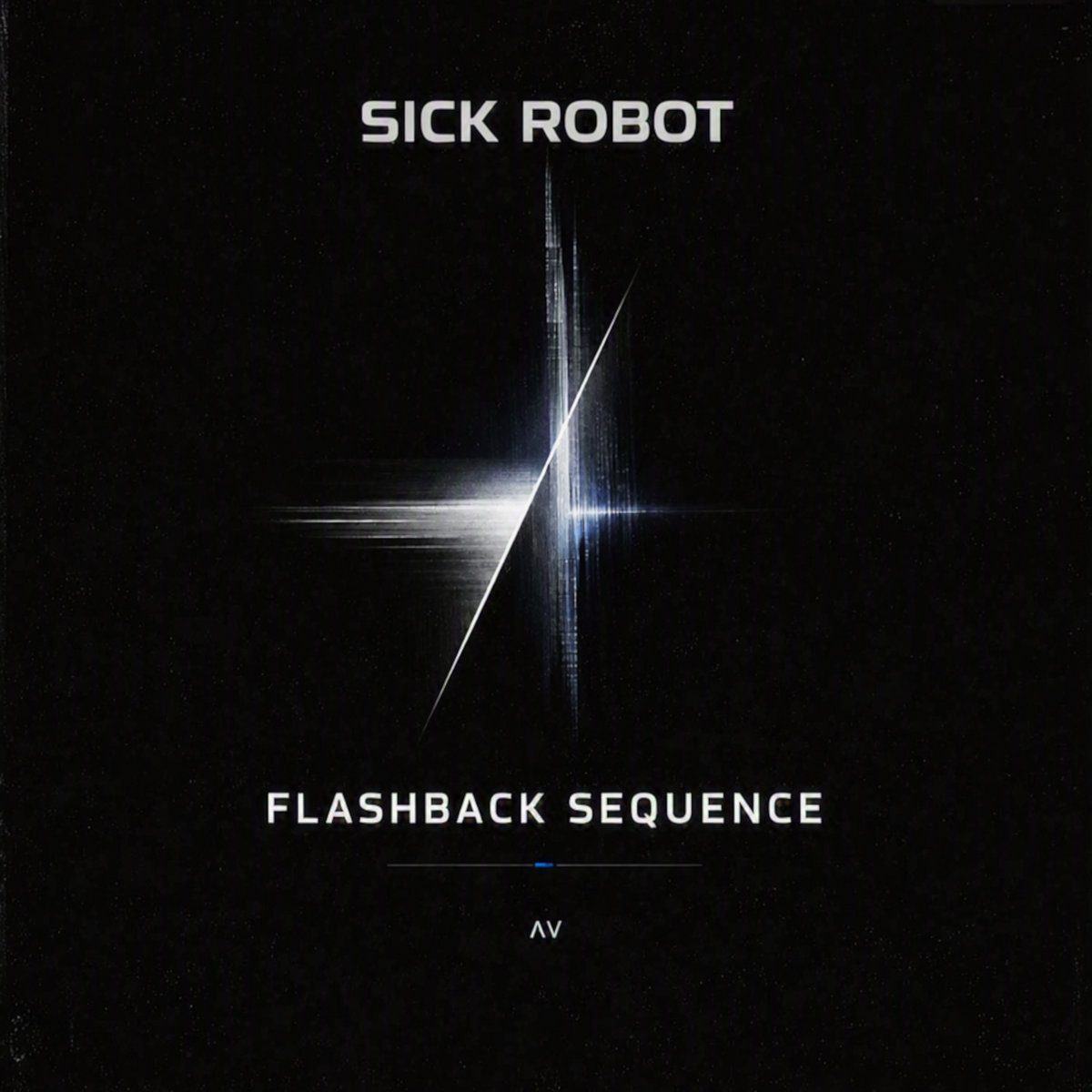
Label Description: Written and produced by Guy Gormley and Thomas Bush Additional production on Barley Wine by Theodore Wright Mastered by Miles Whittaker Dedicated to the Korg Triton.
Label Description: After looking at how producers such as John Cage, Jean Michel-Jarre and Joe Meek produced music I translated that information into “Flashback Sequence”. This album evokes memories from the 90s and the Commodore Amiga. Enjoy.
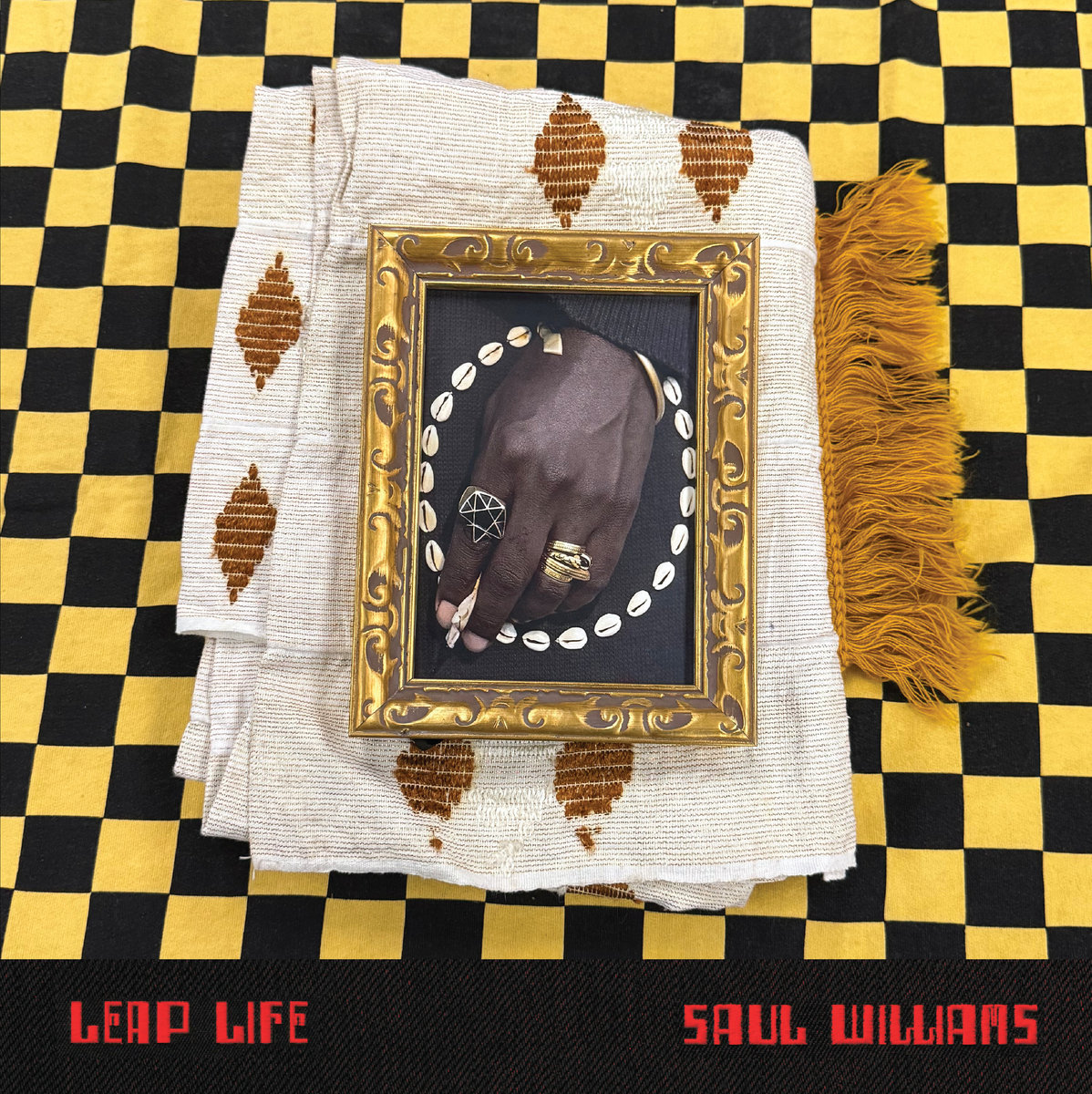
Label Description: With his upcoming record, ‘Leap Life,’ Williams expands the definition of what music itself can be, operating on the philosophy that “the voice is the instrument.” Throughout the album, Williams speaks, chants, improvises and testifies over fluid arrangements that blur the lines between spoken word, jazz abstraction, hip-hop cadence, West African rhythmic logic, ambient composition and ceremonial sound design. Moving beyond traditional rhyme structures, the project embraces spontaneity, treating language as a rhythmic, vibrating force while capturing the essence of a jazz improviser chasing revelation in real-time, reflecting a lifetime of artistic preparation.
It’s a risky process — surrendering control inside a medium built on permanence — but Williams sees revelation in that uncertainty. “What does it mean to trust the moment?” he asks.
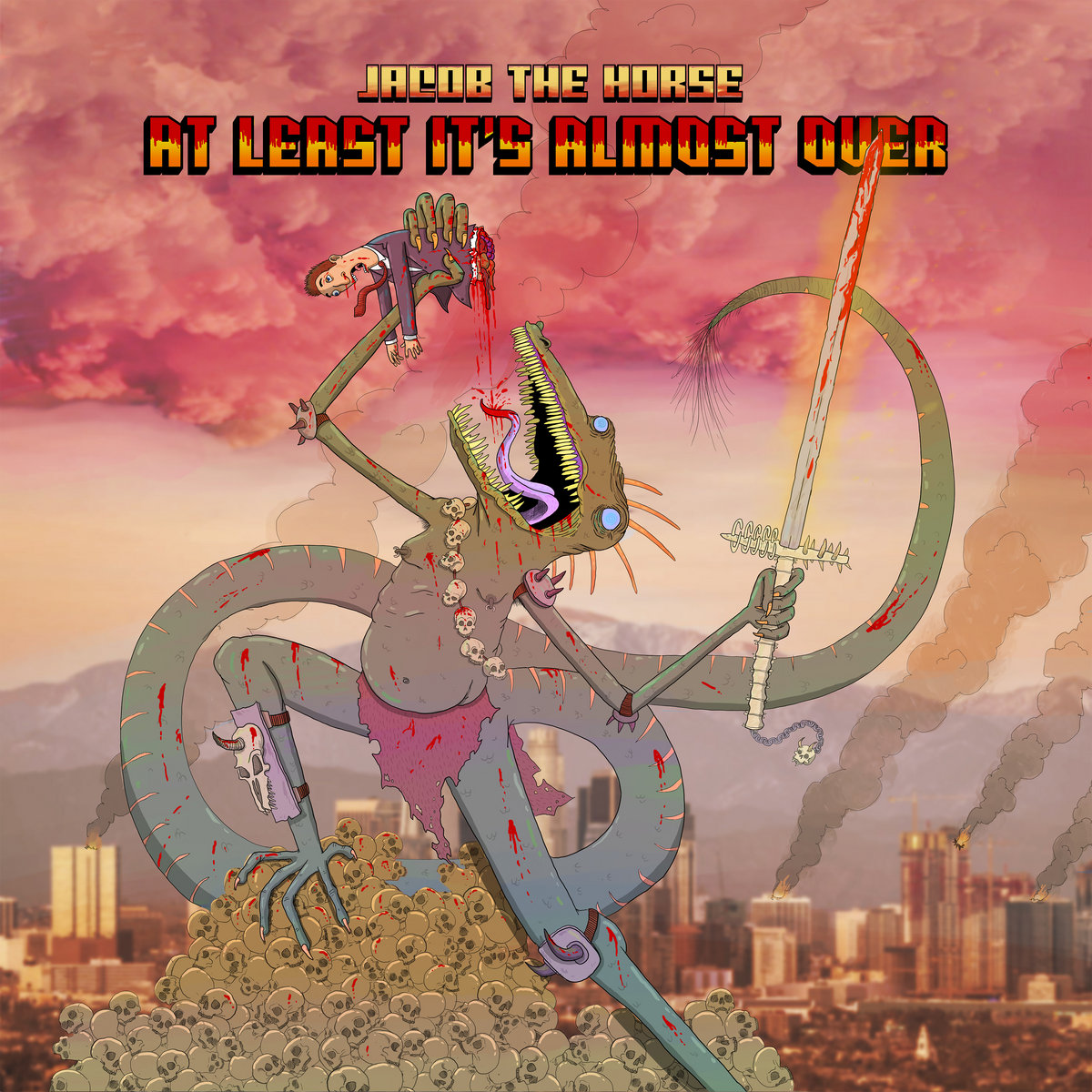
Label Description: Los Angeles indie-punks Jacob the Horse take on the rise of modern fascism, dealing with anxiety, and rallying cries for anarchy and Satan on new album At Least It’s Almost Over (out Mar. 20). It hits that nostalgic sweet spot of classic punk with elements of grunge, while bringing in tight, modern, folk-punk lyrical content that speaks to the time we’re living in now. It sparks equal parts anger and depression, while making sure we’re all having a great time listening. It’s the kind of album that you find at 14-years-old and it changes your life forever, in the same way The Clash did in the ‘70s, Dead Kennedys in the ‘80s, Propagandhi in the ‘90s, Against Me! In the ‘00s and Amyl and the Sniffers today. It’s telling you that it’s okay to be upset, to open your eyes and be part of a movement.
Jacob the Horse is Aviv Rubinstien (guitar, lead vocals), Rick Chapman (drums), Mark Desrosiers (bass) and Josh Fleury (lead guitar). At Least It’s Almost Over was engineered and produced by Jack Shirley (Jeff Rosenstock, Deafheaven, Gouge Away) at The Atomic Garden Recording Studio in San Francisco, and includes several updated re-recordings of previously released songs: “The Black Hand,” Keystone State,” “666 Chicks” “The River,” and “Totally Depressed.”
Album credits:
All Songs Written & Performed by Jacob the Horse
Jacob the Horse is
Aviv Rubinstien: Guitar, Lead Vocals
Rick Chapman: Drums, Vocals
Mark Desrosiers: Bass, Vocals
Josh Fleury: Lead Guitar, Vocals
Produced by Jack Shirley
Recorded at The Atomic Garden, Oakland, CA
Additional Engineering & String Arrangement by Josh Fleury
Saxophone on “Bad New Religion” by Walt Young
Additional Vocals on “Clever Cleaver” by Vivi Decareau
Gang Vocals by Tom Chapman, Lianne O’Shea, Marcy and Thomas Braidhardt, and friends
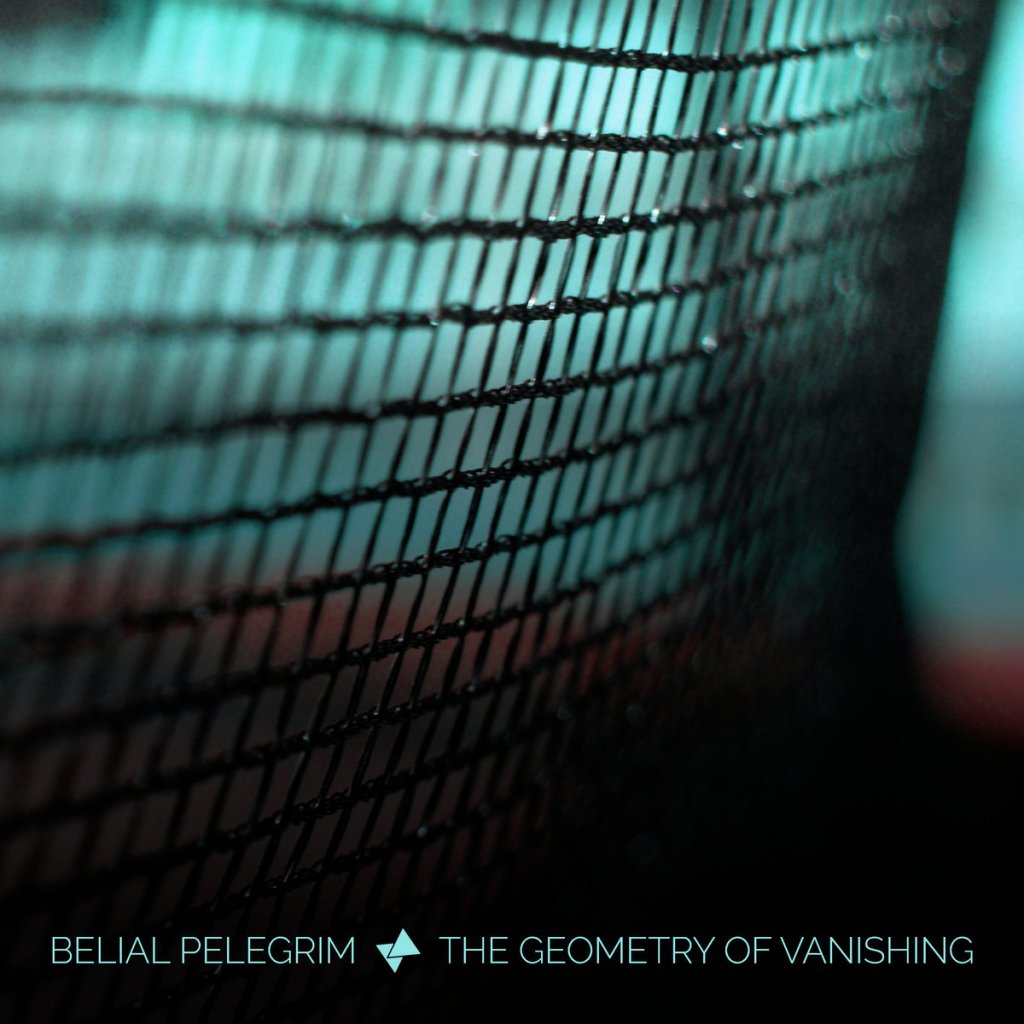
Belial often delights in making murky and foreboding tones, but he’s just as good at revelling in the prettiness this world still has to offer. This could not be more evident anywhere else but on this sprawling and spectacular selection of songs.
__________
INTERVIEW __________
Triplicate Records: How have you been? What’s new in Belialand?
Belial Pelegrim: I’ve been really good. Like most of the time, I’m trying to find that balance between life itself and the amount of creative work I always seem to want to be doing. I recently got back from a vacation in Fort Bragg, California, and being near the ocean always resets something in me. It has a way of clearing out the mental noise and putting things back into perspective. I usually come away from it feeling renewed, both personally and creatively.
TRIP: We’ve spoken in the past about your lengthy and ambitious projects and how long they can take to come together; was this one of those ‘oh my gosh this is taking forever’ type dealies?
BP: Well, after TAFFETA, almost anything is going to seem like a short-term project! That was five years of releasing a new chapter every week, so it definitely recalibrated my sense of what “taking forever” means.
This new album came together differently. For about a year I had been working on music and deliberately setting certain pieces aside because I felt they belonged to something larger. I didn’t necessarily know exactly what that larger thing was going to be at first, but I knew I didn’t want to just release everything individually as soon as it was finished. I wanted to let a body of work accumulate and see what relationships started to emerge between the pieces.
I kept in touch with Mike during that time, and once I reached a point where I could stand back from the material and hear it as a complete thing, I contacted him and said, essentially, “I think I have something for Triplicate.” So this one never really had that oh my gosh, is this ever going to end? feeling. It was more like slowly filling a room with objects and eventually realizing they all belonged in the same room.
TRIP: If you could only eat one meal for the rest of your days, what would it be? Disregard health concerns. Let’s just say it’s magically healthy.
BP: My love of Mexican food knows no bounds, so this one is actually pretty easy: birria tacos. If we’re operating in a magical world where health concerns no longer apply, I’m fully prepared to make that commitment. Give me good birria, some consommé on the side, and I think I could live with the consequences.
TRIP: What’s your favourite title? There’s some bangers here; I particularly enjoy “Instructions found under Ice”.
BP: Part of the fun of making mostly instrumental music is coming up with the titles. Sometimes a title comes first and I end up writing toward it, or at least toward some vague idea or atmosphere it suggests. Other times the music is already there and the title arrives afterward. It really varies from track to track.
On this album, I do love Instructions Found Under Ice. That one has a nice mystery to it. I’m also really fond of The Hallway Had Other Plans and We Traveled the Lake in Sections. I like titles that feel as though they’re pointing toward a story without actually telling you what the story is.
I’ve also always felt that titles and cover art are part of the invitation into the music. With instrumental work especially, those things can give someone just enough of a doorway to become curious. The right image paired with the right title might be what gets somebody to press play in the first place, and then hopefully the music takes over from there.
TRIP: Read any good books lately?
BP: Absolutely. I spent quite a bit of time with Mark Z. Danielewski’s House of Leaves, and it really got its hooks into me. It’s one of those books where saying what it’s “about” almost immediately starts reducing it. On the surface there’s this impossible house that’s larger on the inside than the outside, the Navidson expedition into it, layers of narrators and documents and footnotes, and then the physical book itself begins behaving almost like another character. Words move around the page, disappear, become isolated, turn sideways—you eventually stop simply reading it and start physically navigating it.
What fascinated me most wasn’t necessarily the horror in the conventional sense. It was the spatial problem. I kept wondering: where are those hallways actually going? Where does that enormous black interior exist? I know the house can very easily be read as trauma, grief, relationships, the unconscious, all of those things—and I think all of those interpretations are valid—but I was reluctant to completely surrender the literal possibility. I liked entertaining the idea that the space is actually there, that it’s somehow extra-dimensional, or outside our normal understanding of location and time.
And creatively, the book definitely followed me out of the reading experience. I even started working on music inspired by some of those ideas. That’s usually the sign that something has really affected me—when I stop thinking about it simply as a book, film or piece of art and it starts infecting the way I think about my own work. House of Leaves absolutely did that.
TRIP: Can you talk a little bit about the hardware (or software) used to make The Geometry of Vanishing?
BP: I use a lot more software than hardware these days. For one thing, I like the fact that I don’t have to dust it. Seriously though, Ableton Live is really the center of everything for me. From there I use a ridiculous variety of third-party instruments, soft synths, effects and Max for Live devices. I don’t tend to build tracks around one particular piece of software; I’m much more interested in combining things that weren’t necessarily designed to live together and seeing what happens.
Off the top of my head, some of the things that showed up on The Geometry of Vanishing were Pigments, Myth, some homemade Reaktor synths, Kontrast, Abyss, Phona, Outgrowth, SketchCassette II, Buchla Easel V, Falcon, and various Spitfire and Vienna libraries. A lot of Slate + Ash instruments and I also used quite a few Max for Live devices inside Ableton for sequencing, modulation and generative processes.
So the software changes constantly, and I’m always finding some new instrument or strange little device to throw into the mix. The specific tools are important, but ultimately I’m much more interested in what happens when you start misusing them, combining them, and allowing them to lead you somewhere you weren’t necessarily planning to go. And as usual, I also employ a combination of real instruments; electric and acoustic guitars, drums, and upright bass when needed.
Composed & Produced by Scott Krakoff Mastering by Michael Southard Artwork by Michael Southard
Label Description: Mannequin Records is elated to present Electronic Corporation “1998–2006”, a compilation bringing together rare and long unavailable recordings by the German electronic projects heimelektronik and MAS 2008.
Active around the turn of the millennium, both projects share the involvement of producer Ive Müller while developing distinct collaborations and approaches to electronic music. H.E.I.M. Elektronik was founded in 1996 by Holger Erlenwein and Ive Müller (after the two artists split in 1999, Müller continued using the name), while MAS 2008 is the project of Ive Müller together with René Kirchner. Though separate entities, the two projects explored a similar sonic territory: stripped-down electro, minimal electronics and machine-driven body music shaped by analog hardware and a raw DIY production ethos.
The roots of Müller’s work go back to the final years of the DDR. As a teenager he worked as a licensed DJ — officially known as a “Schallplattenunterhalter” — operating a travelling disco across Saxony. With limited access to official Western releases, music circulated through cassette recordings taped from West German radio stations such as RIAS Berlin, NDR2 and Bayern3. Together with friends he travelled between youth clubs and discos around Leipzig with a “rolling discotheque”: a Russian Wolga pulling a trailer loaded with Electro-Voice sound systems sourced through the black market.
At the turn of the 2000s this background in underground electronic culture resurfaced in a series of recordings rooted in electro, EBM and minimal machine music. The tracks collected on Electronic Corporation 2000–2002 capture this moment: cold sequences, driving rhythms and stark synthetic textures produced with a direct and uncompromising approach.
Compiled and remastered by Rude 66 from the original sources, Electronic Corporation 2000–2002 documents a small but fascinating chapter of German underground electronics from the early digital era.
For fans of: Le Syndicat Electronique, I-F, Dopplereffekt, Drexciya, Legowelt, Adult., The Hacker, DMX Krew, Gesloten Cirkel, and early Bunker Records electro.
Tracks recorded between 1998 and 2006, originally released across various Electronic Corporation catalogue numbers.
All tracks composed, programmed and recorded by Ive Müller & René Kirchner.



 Music For The Rest Of Us