
Label Description:
I stood on top of the mountain and looked out over the landscape. It was so beautiful that my chest hurt. The light vibrated, time stood still, and the contours dissolved for a moment. Everything had changed; I felt it then. I took their little hands so as not to lose contact with the ground. Then we ran down the mountain, scraping our knees. Still, we didn’t make it. You had already put away all the nautical charts, loosened the moorings and steered out among the skerries. Mum stood waving from the jetty. You were alone, you wanted it that way. It was to be just you in the boat this time. I called out to you. I think you heard me and felt less lonely. We couldn’t carry each other anymore, no matter how hard we tried. We washed our wounds on the shore and scattered tears and rose petals in the bay. The children laughed and searched for treasures under water. We called to them that it was time to come up. They were cold, and we hugged them to warmth. One ran ahead, the other up on our shoulders. Up the mountain, our mountain. [1]
—
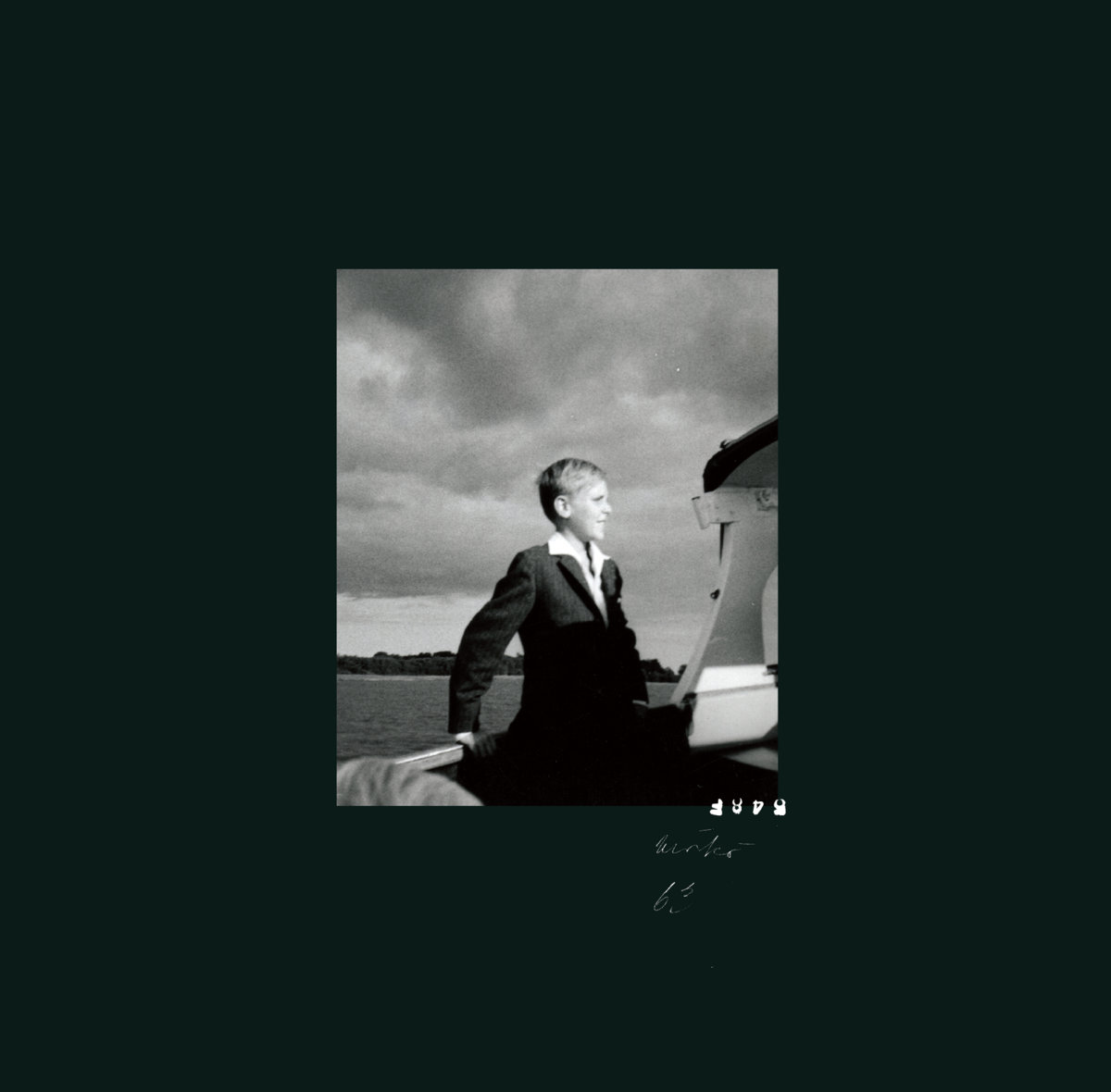
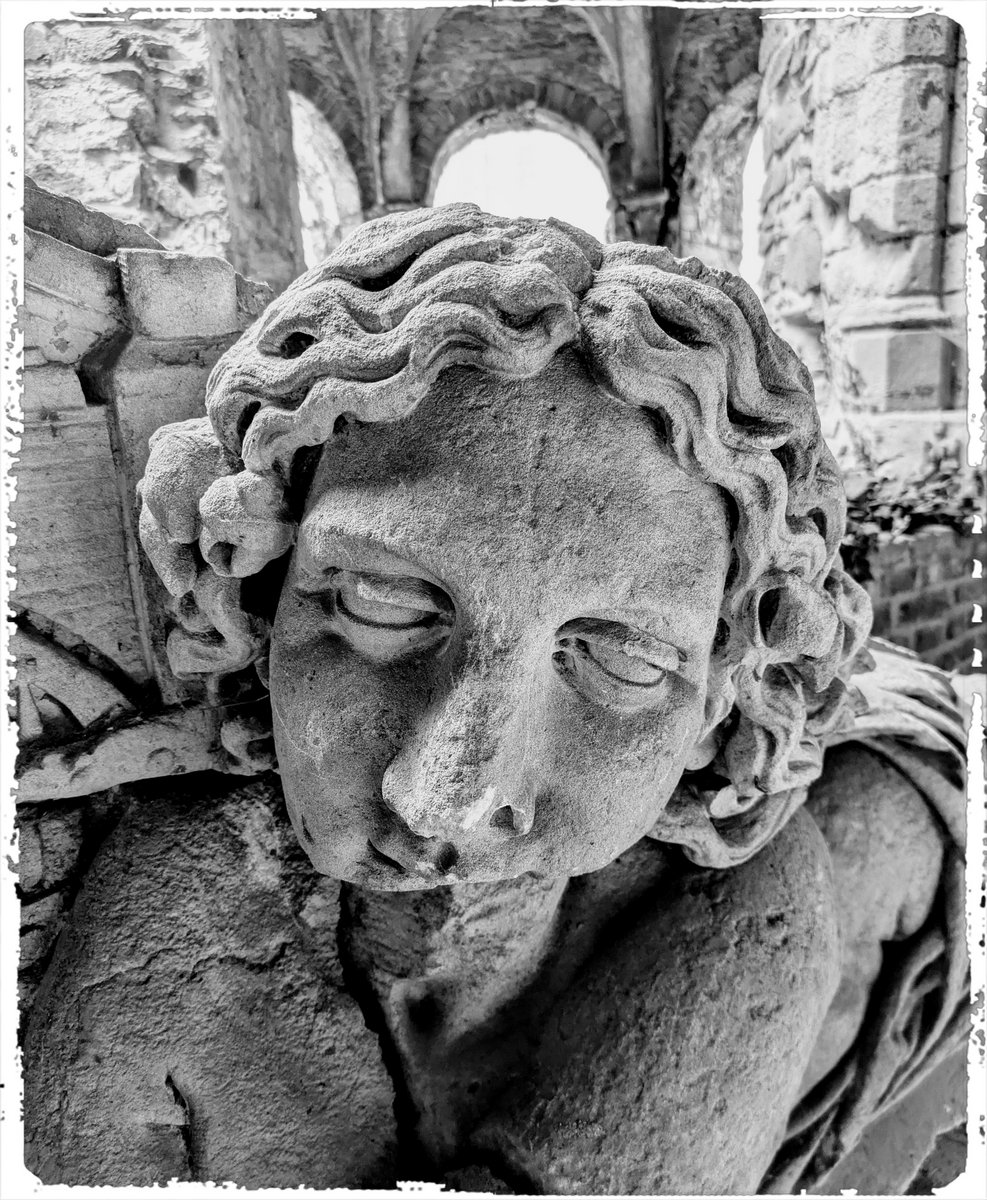
In 2020 Anna Högberg put her widely celebrated band Anna Högberg Attack on hold, retraining as a nurse whilst continuing a solo practice and playing in other groups. With Ensamseglaren she makes a spectacular return with her own ensemble — this time a double sextet — performing an album length suite of new music written in dedication to her late father — the titular ‘ensamseglaren’ pictured on the LP cover as a young boy. (ensam in Swedish can mean both alone and lonely, seglaren = the sailor).
Shot through with renewed energy and a brutally affective emotional punch, Högberg’s formal experimentation opens up vibrant possibilities for the assembled musicians to let loose with some of their wildest and most ecstatic playing on record.
Högberg’s contention with grief leans into collective joy as method of mourning — the big band as extended family; where bonds are made through a shared experience of being together. Where everyone gets to be themselves without expectations of who they should be or what they can do. It’s a radical commitment to care — of her self and others — that animates and unifies this suite of music’s radical dynamics and variations in colour: from whisper-quiet textural intensity to harrowing distortion and double drum chaos; raucous and solemn song.
—
Throughout history, humans have had different images of the transition between life and death. Imagine standing on the seashore on a summer evening and seeing a beautiful vessel being prepared for departure. The sails are hoisted. The evening breeze comes, the sails fill and the boat glides out onto the open sea. You follow it with your eyes as it heads towards the sunset. It gets smaller and smaller, until it finally disappears as a tiny dot on the horizon. Then you hear someone next to you say, ‘Now they have left us.’
Left us for what? The fact that they got smaller and smaller and finally disappeared is only how we see it. In reality, they are just as big and beautiful as when they were here, lying on the beach by our side.
Just as you hear that voice say ‘Now they have left us’, there may be someone on another beach who sees them appear on the horizon, someone waiting to welcome them when they reaches their new port. [2]
credits
released October 3, 2025
Anna Högberg Alto Saxophone
Elin Forkelid Tenor Sax
Niklas Barnö Trumpet
Maria Bertel Trombone
Per Åke Holmlander Tuba
Dieb13 Turntables
Alex Zethson Piano
Finn Loxbo Guitar + Saw
Gus Loxbo Double Bass + Saw
Kansan Zetterberg Double Bass
Anton Jonsson Drums
Dennis Egberth Drums
All Music by Anna Högberg (ncb/Stim). Recorded by Niklas Lindström and Calle Gustavsson at Atlantis Studios, Stockholm: 15-16 October 2024. Mixed by Niklas Lindström at Atlantis Studios. Mastered by Andreas [Lupo] Lubich. Innersleeve Photos by Tina Axelsson. Cover Photographer Unknown. Design by John Chantler. This Release has Received Financial Support from Kulturrådet, the Swedish Arts Council. c + p 2025. This lp is Fönstret—16.
Notes
Fönstret is a division of the Edition Festival for Other Music, the annual festival initiated and organised by John Chantler which ran from 2016—2024. Across its history the edition festival has presented work by, among many many others: Okkyung Lee, Ellen Fullman, Peter Brötzmann, Sarah Hennies, Terre Thaemlitz, Marginal Consort, Anthony Braxton, Annea Lockwood, Ellen Arkbro, Dewa Alit & Gamelan Salukat and Catherine Christer Hennix.
Fönstret is the festival’s outlet for publishing new work and surfacing material from the festival archives across books, cds, LPs and digital media and includes releases by Marja Ahti, [Ahmed], Lisa Ullén, Daniel M Karlsson, Isak Hedtjärn, Finn Loxbo and Kommun.
http://www.edition-festival.com
[1] Anna Högberg’s original Swedish:
“Jag stod på toppen av berget och såg ut över landskapet som var så vackert att det gjorde ont i bröstet. Ljuset vibrerade, tiden stannade och konturerna var för en stund upplösta. Allting var förändrat, jag kände det då. Jag tog era små händer för att inte mista kontakten med marken. Sen sprang vi nedför berget, skrubbsår på knäna. Ändå hann vi inte fram. Du hade redan lagt undan alla sjökort, lossat förtöjningarna och styrt ut bland kobbarna. Mamma stod och vinkade från bryggan. Du var ensam, du ville ha det så, det skulle bara vara du i båten den här gången. Jag ropade efter dig, jag tror att du hörde och att du kände dig mindre ensam. Vi kunde inte bära varandra längre. Hur mycket vi än försökte. Vi tvättade våra skrubbsår i strandkanten och strödde tårar och rosenblad i viken. Barnen skrattade och letade efter skatter under vattenytan. Vi ropade på dem att det var dags att komma upp. De frös och vi värmde dem i våra famnar. Den ena sprang i förväg, den andra upp på axlarna. Uppför berget, vårat berg.”
[2] This text is adapted from a translation of a text ‘Det Sista Steget’ (the last stage) read by Anna’s aunt (a priest within the Swedish Church) at her father’s funeral:
Vi människor har i alla tider haft olika bilder av övergången mellan liv och död. Många beskriver den som en resa över en flod eller ett hav till det land vi ännu inte känner.
Tänk dig att du står vid havsstranden en sommarkväll och ser en vacker farkost som förbereds för avfärd. Seglen hissas. När kvällsbrisen kommer fylls seglen och båten glider ut på det öppna havet. Du följer den med blicken när den far mot solnedgången. Den blir mindre och mindre, för att till slut försvinna som en
liten prick vid horisonten. Då hör du någon vid din sida säga: “Nu har hon lämnat oss”.
Lämnat oss for vad? Detta att hon blivit allt mindre och till slut försvunnit är ju bara som du ser det. I själva verket är hon lika stor och vacker som när hon låg vid stranden.
Just när du hör rösten som säger att hon lämnat oss, finns det kanske någon på en annan strand som ser henne dyka upp vid horisonten, någon som väntar på att få ta emot just henne när hon når sin nya hamn.
 Music For The Rest Of Us