
Tag Archives: industrial
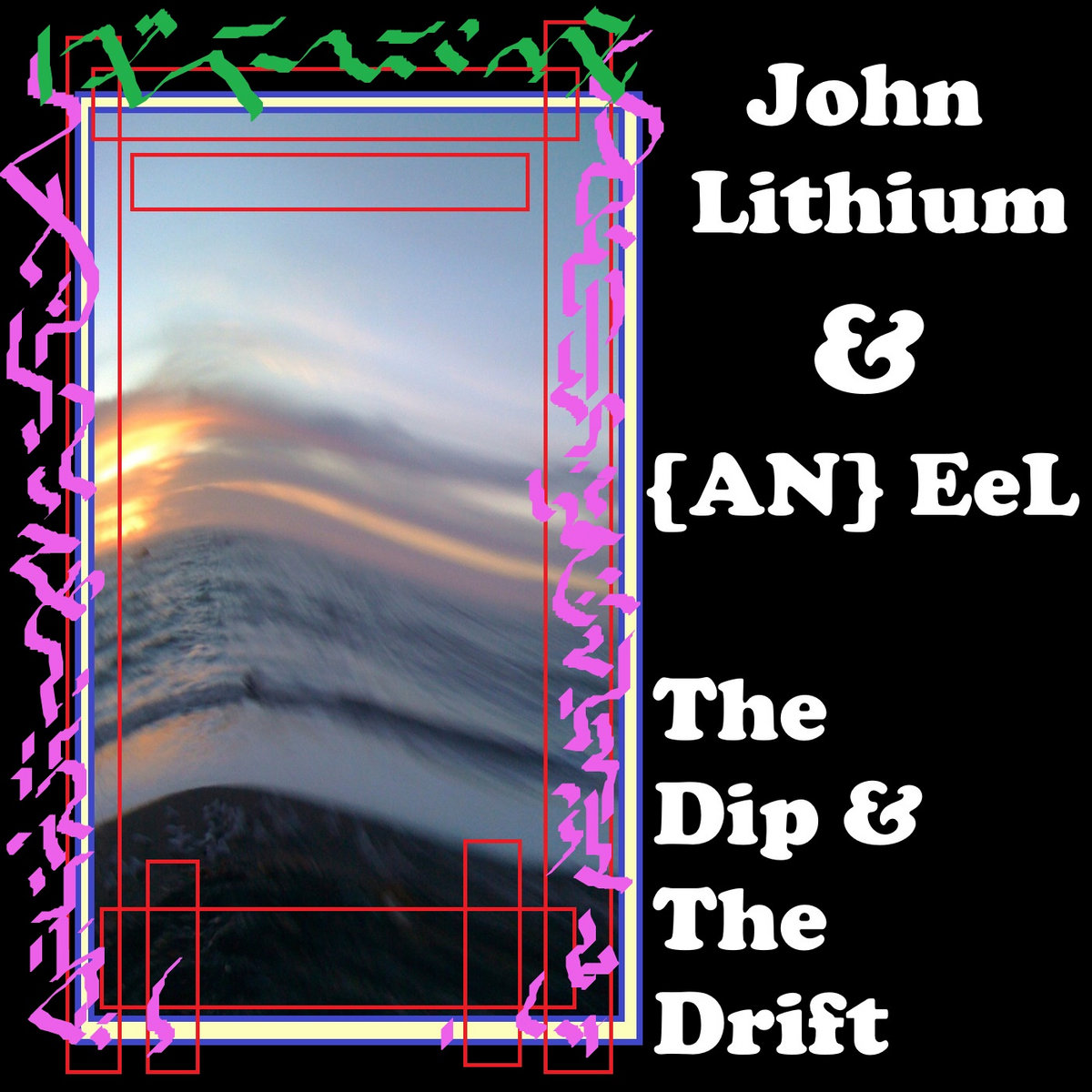
John Lithium / {AN} EeL – The Dip & The Drift (Pan Pan Pan Avian Distress Call)
Spite Cathedral – The Rag Doll Transition (Aural Films)
Label Description:
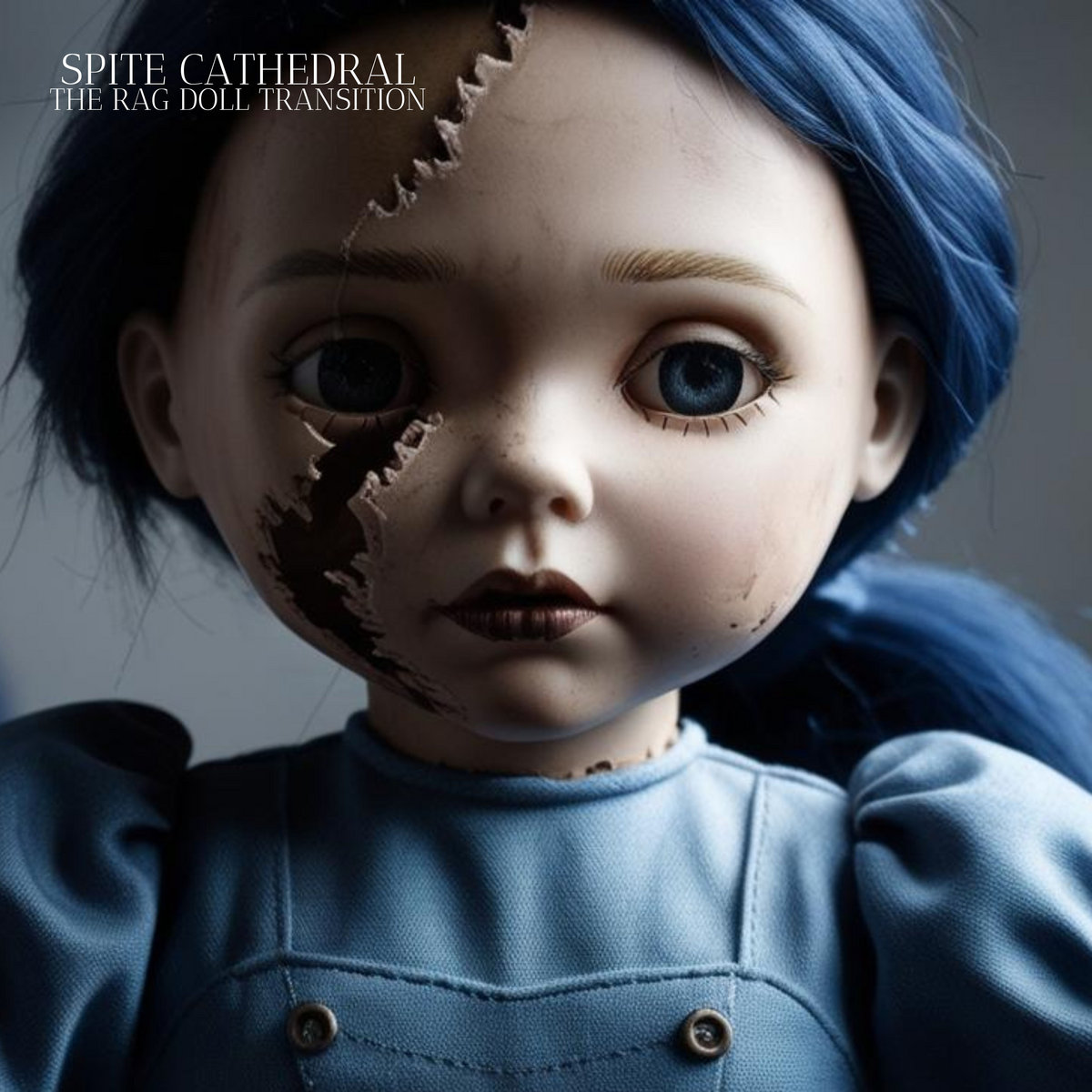
IN HIS NEW RELEASE, ‘’THE RAG DOLL TRANSITION’’, SPITE CATHEDRAL TAKES LISTENERS ON AN IMAGINATIVE JOURNEY THAT IS BOTH EMOTIONALLY EVOCATIVE AND SONICALLY ADVENTUROUS. SPANNING AN IMPRESSIVE 70 MINUTES, THE ALBUM SERVES AS AN AURAL SOUNDTRACK FOR A BLUE- HAIRED DOLL, WHO UNDERGOES THE TRANSFORMATIVE EXPERIENCE OF BECOMING HUMAN, GRAPPLING WITH THE WHIRLWIND OF NEW EMOTIONS THAT COME WITH IT. THE CONCEPT ALONE IS ENOUGH TO PIQUE CURIOSITY, BUT SPITE CATHEDRAL’S EXECUTION SOLIDIFIES HIS PLACE AS A MASTER OF GENRE-BENDING ARTISTRY.
THE ALBUM KICKS OFF WITH THE MELODIC MINIMALISTIC ‘’THE RAG DOLL TRANSITION THEME (INTRO)’’, SETTING A THEATRICAL TONE THAT PREPARES THE LISTENER FOR THE EMOTIONAL DEPTHS TO COME. FROM HERE, ‘’THE RAG DOLL TRANSITION’’ SEAMLESSLY BLENDS A VARIETY OF STYLES—INDUSTRIAL TEXTURES CLASH WITH ABSTRACT AMBIENT SOUNDSCAPES, EACH TRACK PUSHING THE EMOTIONAL ENVELOPE. IN “CHANCE MEETING,” HIS PAST IN ROCK BANDS AND SHOEGAZE INFLUENCES UNVEILS WITH LAYERED GUITARS THAT EVOKE NOSTALGIA, SKILLFULLY EXPRESSING THE WONDER AND TREPIDATION OF FIRST ENCOUNTERS IN THIS NEW HUMAN EXPERIENCE.
THE TRACK “I’M NOT YOUR DOLL” SHOWCASES SPITE CATHEDRAL’S INNOVATIVE USE OF THEMATIC 80’S SYNTHWAVE, PERFECTLY ENCAPSULATING THE STRUGGLE FOR IDENTITY AND AUTONOMY. IT’S A STANDOUT MOMENT, EMBODYING THE DOLL’S QUEST FOR EQUALITY AND SELF-DEFINITION AGAINST A BACKDROP OF PULSATING SYNTHS. CONVERSELY, “AT THE JAZZ CLUB” DELIVERS ANOTHER EERIE TWIST WITH IT’S MUSIQUE CONCRETE AND FREE JAZZ INFLUENCES, CREATING AN ATMOSPHERE OF SPONTANEITY THAT MIRRORS THE UNPREDICTABILITY OF EMOTION.
EACH TRACK FEELS LIKE A SNAPSHOT OF THE DOLL’S TRANSFORMATIVE JOURNEY— ‘’SOMBRE’’ BRINGS A SENSE OF WONDER WITH IT’S STRANGE EMOTIONAL SINGING THAT SOUNDS LIKE IT’S COMING FROM THE DOLL!!? , WHILE “PEEL IT JIM” LEANS INTO SADDER, MORE INTROSPECTIVE TERRITORIES. THE MORE ABSTRACT PIECES, SUCH AS “OUTWARDS! OUTWARDS!” AND “I HAD THE STRANGEST OF FEELINGS,” INVITE LISTENERS TO EXPLORE COMPLEX EMOTIONAL LANDSCAPES, ACCENTUATED BY INTRICATE SOUND DESIGN THAT SPINS A WEB OF TENSION AND RELIEF.
AS THE ALBUM PROGRESSES, TRACKS LIKE “A VAGUE MEMORY”, ‘‘EXASPERATION’’ AND “HONEY” ARE EVOCATIVE OF THE HIGHS AND LOWS THAT COME WITH THE TERRITORY OF NEWFOUND AWARENESS, EACH NOTE CAREFULLY CRAFTED TO ELICIT A VISCERAL RESPONSE. THE PENULTIMATE TRACK, INWARDS…,” CONFRONTS THE LISTENER WITH AN OTHERWORDLY ATMOSPHERE AND A FRAGMENTED MELODY LINE THAT EMBODIES THE DOLL’S DETERMINED STRIDE TOWARD SELF- DISCOVERY.
THE FINALE, “THE RAG DOLL TRANSITION THEME (OUTRO),” BRINGS THE JOURNEY FULL CIRCLE, ENCAPSULATING THE STORY WITH A NEW TAKE OF THE OPENING THEME.
IN SUMMARY, ‘’THE RAG DOLL TRANSITION’’ IS MORE THAN JUST AN ALBUM; IT’S AN IMMERSIVE EXPERIENCE THAT SHOWCASES SPITE CATHEDRAL’S UNPARALLELED ABILITY TO WEAVE INTRICATE NARRATIVES WITHIN HIS SOUND. WITH HIS MIX OF STYLES HE HAS CRAFTED A COMPELLING SOUNDTRACK THAT RESONATES ON BOTH EMOTIONAL AND AUDITORY LEVELS. THIS IS AN ALBUM THAT DEMANDS YOUR ATTENTION AND WARRANTS REPEATED LISTENS—AN EXPLORATION OF IDENTITY THAT WILL LEAVE LISTENERS REFLECTING ON THEIR OWN TRANSITIONS LONG AFTER IT CONCLUDES.
credits
released February 14, 2025
COMPOSITIONS BY DAN STIELOW MORTAZAVI.
RECORDED AT MAN-MADE WALLS, SWEDEN JANUARY 2025.
MASTERED BY TYST FÖR FAN, JAG HÖR INTE.
ARTWORK BY ALIEN INK.
ARTIST BIO.
Spite Cathedral is Dan Stielow Mortazavi’s main project.
He has been producing music since his teenage years and his very first recordings that was released in the early eighties as a DIY cassette of 50 copies and was released on vinyl three decades later on the Dark Entries label.
DSM is a diverse artist working with visuals and wide range of music projects either alone or with other artists in projects such as Suspended In Gaffa, Our Mothers Meds, I Wish I Could Speak Your Language, Atish Pare, Ism and ATE23 to name a few. He also done remixes for labels like Ant-Zen and Insatiable Society. He has played numerous venues and clubs through the years and played at Denmarks Roskilde Festival both as a preforming artist and as a DJ.
spitecathedral.bandcamp.com
© 2025 DAN STIELOW MORTAZAVI. ALL RIGHTS RESERVED.
Aural Films is an online record label (netlabel) that releases high-quality soundtrack albums for movies that do not exist. We cover a wide range of music styles ranging from ambient to experimental to popular to soundtrack musics. Often on the same albums. You can find our complete catalog of releases online at AuralFilms.com
Aural Films Catalog No. AF0447
T.A.G.C. – Iso-Erotic Calibration (Cold Spring)

Label Description:
Carefully constructed aural rituals from T.A.G.C., this album maps new realms in the area of sensual electronic music. Founder Adi Newton (Clock DVA) uses The Anti Group as an outlet for his research in psycho-acoustic music. “Iso-Erotic Calibration” explores the potent topic of human sexuality. Recorded over a period of three years, this could be considered on of their more “accessible” albums.
Originally released in 1994 (Side Effects, the label of Lustmord, Musica Maxima Magnetica, and Adi’s own Anterior Research Recordings), we are proud to present the album for the first time on vinyl, as well as the first official CD reissue, fleshed out with four bonus tracks: two were bonus digital-only tracks (2013); one track is taken from the soundtrack to the 2011 T.A.G.C. film ‘Given’; one is a remix of the title track.
The Anti Group Communications (T.A.G.C.) was devised by Adi Newton and Steven James Turner as early as 1978 as a multi-dimensional research & development project. TAGC are not affiliated to any one system of philosophy or epistemological paradigm or occult fraternity but are open more to individual systems and innovative thinkers Science, Art, Music Sonology, Visual Arts, Literature, Research & Publication are its main areas.
The artwork is filled with text and illustrations supporting the different songs.
• CD in 6-panel matt-laminate digipak.
• Black LP on 180gm heavyweight vinyl in a matt-laminate sleeve.
• Ltd 300 x Brown LP on 180gm heavyweight vinyl in a matt-laminate sleeve.
credits
releases January 17, 2025
All compositions and production by Adi Newton, 1994.
All tracks from original DAT masters recorded in Florence, Italy, 1993, at the Anterior Research Station.
Iso-Erotic Calibration originally released by Anterior Research Recordings (ARR 003), Musica Maxima Magnetica (eee 20) and Side
Effects (DFX 21).
Bonus CD tracks:
Track 8: remix
Track 9: from the soundtrack to the TAGC film ‘Given’ (2011).
Track 10 & 11: from the digital-only edition (2013)
Mastered for Cold Spring by Martin Bowes at The
Cage, Coventry.
Cover image by Leonor Fini, La Toilette Inutile (‘The Useless Dress’), 1964, oil on canvas. One of two paintings of Ophelia by Fini.
New artwork design by Adi Newton.
Layout by Abby Helasdottir.
Iso-Erotic Calibration: photograph of Unica Zurn by Hans Bellmer (used as the cover of Le Surréalisme, Même 4, 1958).
Union with Sirens: collage by Karel Teige, 1942
Mercurius & Neurological Engineering: montages by Adi newton, circa 2010.
Psychophonphilia: La Permutation Des Sens drawing by Hans Bellmer, 1950.
Annals of Sancity: 19th Century painting of Eerie Scene With Incubus Demon, after Johann Heinrich Füssli.
Ethemeral: Engraving by Louis-Jean Allais of a mural painting from Tomb KV9, Valley of the Kings, Egypt.
Xorgett – Pareidol Detarutas (Opal)

Label Description: Xorgett’s latest offering occupies a singular territory where processed cello becomes a vehicle for deep listening and destabilized perception. Moving beyond the academic severity often found in electroacoustic work, these compositions achieve a rare balance between instrumental virtuosity and electronic intervention, creating environments that feel both archaic and hypermodern.
The integration of voice and strings produces moments of startling intimacy, yet the electronic treatments ensure we remain at a critical distance – never quite able to grasp the human elements before they dissolve into granular cascades and spectral residue. There’s a profound tension between the cello’s inherent warmth and the clinical precision of digital processing, suggesting both the comfort of familiar forms and their inevitable dissolution.
What distinguishes this work is its refusal to settle into either pure abstraction or conventional musicality. Instead, it charts a course through territories where recognition constantly slips away – like watching faces emerge and recede in clouds. The result is less a collection of compositions than a series of perceptual exercises, each track carefully dismantling our expectations of how acoustic instruments should behave in electronic spaces. This is music that demands full immersion while remaining eternally elusive.
In moments of “representational catastrophe,” Xorgett transports us into a hypnotic state, a radical sensory overload that dissolves meaning and thrusts us into “hypostasis”—a liminal zone where abstraction and the concrete collide. These tracks are a sonic journey from order to abyss, from symbolic meaning to pure, resonant sensation—a soundtrack to the world’s own oscillating dance between chaos and creation.
Uniform – American Standard (Sacred Bones Records)

Label Description: American Standard begins with a shock. Vocalist Michael Berdan stands alone, screaming, “A part of me, but it can’t be me. Oh God, it can’t.” It all starts with an admission. Beneath the harrowing screams, there’s the pain of bulimia nervosa.There’s the pain of a sickness that is as physical as it is psychological. This is a kind of emergence.
With every movement of American Standard, Uniform Peels off a new layer and tells the story inside of the one that came before it. The lyrics sink down into the core of the innermost self, the small human being crushed in the grip of sickness. To help peel away this narrative of eating disorders, self-hatred, delusion, mania, and ultimate discovery, Berdan sought assistance from a towering pair of outsider literary figures. Alongside B.R. Yeager (author of the modern cult-classic Negative Space) and Maggie Siebert (the mind behind the contemporary body horror masterpiece Bonding), the three writers eviscerate the personal material to present a portrait of mental and physical illness as vividly terrifying as anything in the present-day canon. The result is an acute articulation of a state beyond simple agony, capturing the thrilling transcendence and deliverance that sickness can bring in the process.
American Standard is surely Uniform’s most thematically accomplished and musically self assured album to date. Sections spiral and explode. Motifs drift off into obscurity before reasserting themselves with new power. Genres collide and burst open, form-ing something idiosyncratic and new. There’s a grandeur, due in part to the addition of Interpol bassist Brad Truax alongside the percussive push and pull of returning drummer Michael Sharp and longtime touring drummer Michael Blume, marking his Uniform recorded debut here. However, this magnificence is most clearly attributable to the scale and power of guitarist and founder Ben Greenberg’s arrangements, matching ever elegantly to the intense lyrical subject matter.
Without a shred of doubt, American Standard is a work of art, agonizing in its honesty and relentless in its pursuit of sonic transcendence. It is hideous. It is beautiful. It is necessary.
Embryoroom – The Future Is Dead (Phage Tapes)

Pound Land – Live In Nottingham 20/10/24 (Self Released)

Label Description: Recorded by Ben the sound engineer on Sunday 20th October 2024 (’twas a matinee performance in the afternoon). The cavernous venue was the Liquid Light Brewing Company Tap Room (very decent beer but no free food as promised) on an industrial estate in the Sneinton area of Nottingham. The show was part of the annual ‘Hockley Hustle’ festival. Note: this gig featured the debut live performance of new track ‘Cunt Do It’.
“Which leads us nicely onto Pound Land, whose mid-afternoon set at 3pm set the standard for the rest of the day. This five-piece hailing from places as disparate as Winsford and Macclesfield via Derby woke those present out of their post-Sunday Lunch slumber with a blistering sonic assault that sits somewhere between the monologues of John Cooper Clarke, early eighties punk bands like Blitz or Discharge and the doom metal of Black Sabbath via occasional forays into motorik inspired psych rock territories. If anger is an energy (and they cite PiL as an influence as well) then “voice” Adam Stone is a livewire, pent up ball of frustration that’s both incendiary and mesmerising. They have two bass players and a saxophonist (no guitars) and play songs with titles like “Cunt Do It” and “Paralyser” about people with “sausage dicks” and sound like your worst nightmare whilst simultaneously being the most captivating live experience we’ve witnessed in a very long while.”
Dom Gourlay, Under The Radar magazine. 22nd October 2024.
Cheers Dom, although no one in the band is from Winsford. Steve’s from Bolton though
Nordvargr – Resignation IV (Cyclic Law)
Label Description: Nordvargr Announces the Release of Resignation 4, the Fourth Installment in the Resignation Series
Swedish dark ambient and experimental artist Nordvargr (Henrik Nordvargr Björkk) is set to release the highly anticipated Resignation 4, continuing his sonic journey through rhythmic, atmospheric, and melancholic soundscapes. Building on the foundation laid by the Resignation trilogy, Resignation 4 expands the project’s signature blend of techno-inspired beats, dark ambient textures, and hypnotic soundscapes.
A Continuation of Sonic Exploration
Resignation 4 picks up where the acclaimed 2022 Resignation box set left off, offering a deeper dive into Nordvargr’s evolving sound. The album maintains one foot firmly in the techno scene, while also embracing moments of eerie calm and reflective melancholy. It is an album where rhythmic pulses and deep atmospherics converge, presenting a sound that is at once mesmerizing and abrasive, pushing the boundaries of electronic music.
This latest chapter sees Nordvargr taking his unique grasp of genre fusion even further, blending ambient melancholia with hard-edged, rhythmic elements. Fans of both experimental electronics and the fringes of techno will find Resignation 4 to be a captivating continuation of his visionary work.
Origins and Evolution of the Resignation Series
The Resignation project began in 2008 as an exploration of rhythmic, repetitive music paired with dark ambient soundscapes. It was born from a collaboration between Nordvargr and Nils Ekholm, merging techno-inspired beats with samples from old 78 RPM records. The first album in the series was described as “techno, if invented in the late 1800s,” drawing inspiration from the ill-fated 1897 North Pole expedition by S.A. Andrée.
Over the years, the project has grown, with each album taking a distinct direction—ranging from dubby techno atmospheres to harsher, noisier electronic soundscapes—culminating in the haunting, cinematic experience that is Resignation 4. Along the way, the project has evolved from its early experimental roots into a genre-defying force, standing at the crossroads of ambient, techno, and industrial music.
A Look Back at the Trilogy
The Resignation trilogy was re-released in 2022 as a deluxe box set, remastered with unique and exclusive material, including previously unheard demo recordings and bonus tracks. This set offered listeners a complete exploration of the project’s evolution, from the early rhythmic ambient experiments to the harder, more distorted sounds of later volumes. Note that the quickly sold out 3CD has now been repressed.
Tracks like Totem Visitations, originally composed for a Polish film soundtrack, showcased Nordvargr’s ability to craft immersive sonic environments that complement the darker edges of film and narrative.
Looking Forward: Resignation 4
With Resignation 4, Nordvargr continues to refine his signature style, exploring new territories of sound and emotion. This album promises to be a highlight of his prolific career, offering a bold and dynamic listening experience for fans of experimental and rhythmic electronic music.
Release Formats and Artwork
The album will be available in multiple formats:
•Vinyl: Edition of 300 copies. 100 Special Edition on marbled brown & Black vinyl and 200 copies on black vinyl. Printed Innersleeve and matte lamination. 9 Tracks. Running Time 39:57 EAN: 3770033798171
•CD: Edition of 300 copies in 4 panel Digipak, matte lamination. 9 Tracks. Running Time 39:57 EAN: 770033798164
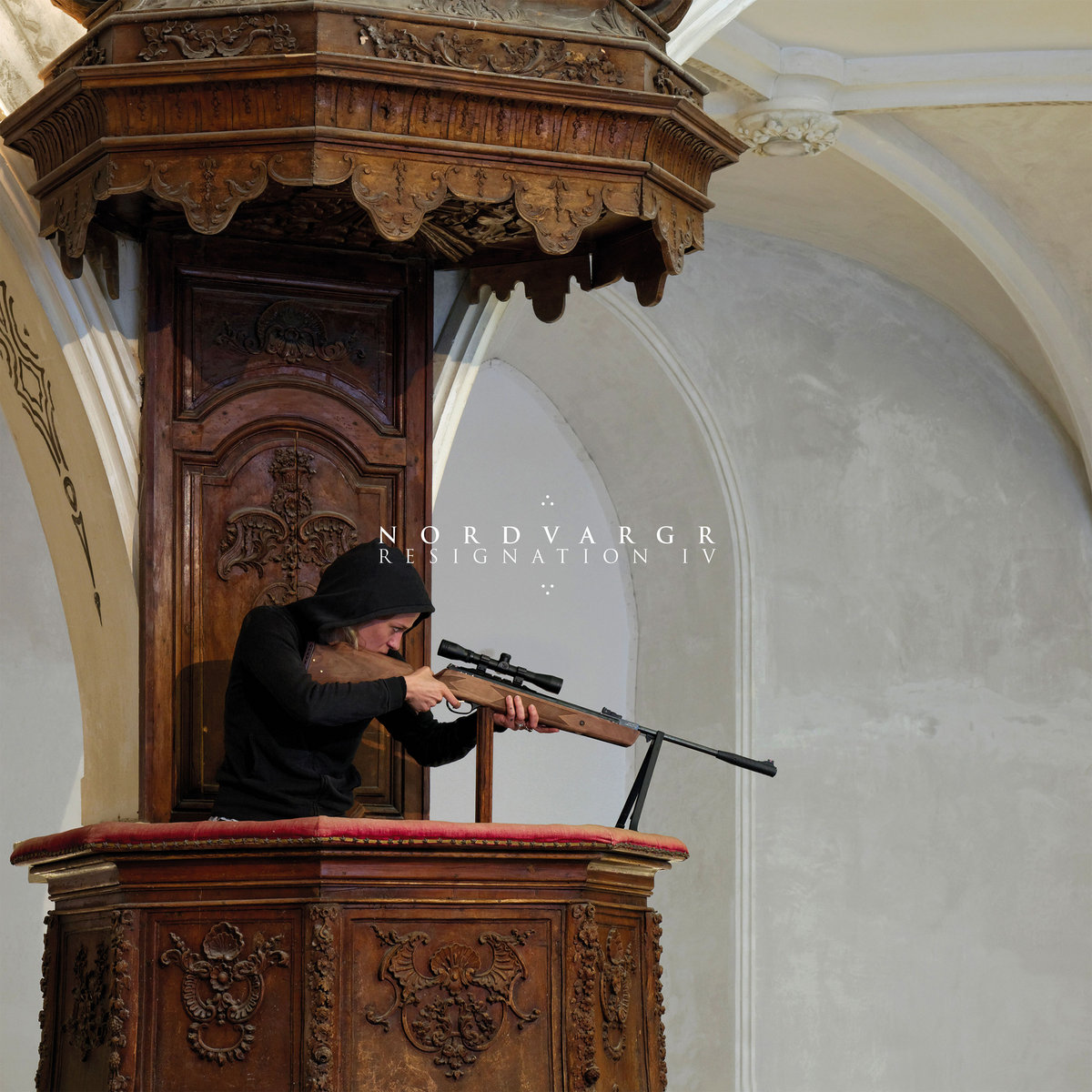
The stunning album artwork and photography are created by Sandrine Pelletier, capturing the stark, otherworldly aesthetic of the Resignation series.
Resignation 4 continues Nordvargr’s exploration of the balance between beauty and brutality, inviting listeners to immerse themselves in a world where atmospheric depth meets rhythmic intensity.
Various – 60 Minutes Of Laughter (Cause And Effect)
Label Description: For more info on 60 Minutes Of Laughter
including additional pictures and texts
www.haltapes.com/60-minutes-of-laughter.html
new digital transfer from the original master tape, November 2015
60 Minutes Of Laughter was recorded in Indianapolis, Indiana, in 1981 and 1982, and was issued in 1983. 60 MOL was Deborah Jaffe’s tape project, the fourth issue of a small press magazine Debbie published called 12 Seconds Of Laughter. 60 Minutes Of Laughter features sounds by Hal McGee, Debbie Jaffe [aka Master/Slave Relationship], Viscera, Gabble Ratchet, Trish & The Swishettes, The Dancing Invisibles, Residential Rick (Karcasheff), and more. 60 MOL is a lo fi lo tech collage consisting of earliest recordings by Viscera, tape cut-ups, primitive noise jams, simultaneous poetry readings, deconstructed rock songs, a live dada performance recording in a Country & Western bar, weird pop songs, experimental music, and more.
Pseudo-dadaist music, noise and poetry circa 1981 and 1982 from your friends at Cause And Effect. Our biggest seller to date, 60 Minutes Of Laughter is a wacky collage of nonsense bits and non sequiturs like “Yeah, Yeah, Yeah” by Trish and the Swishettes”, “Dharma Proclivity/Butchered Calf” by Jolifanto Karawane and Mipoola Palinga and “Freedom To Be Immoral” by The Conversations. Also includes early ultra-minimal music by Viscera (“Starvation And Beating”, “Seeing The Future”, “Outraged Civilized World”, etc) and a ten-minute “Dada” performance by Karawane and Palinga in a country and western bar. For $2.00 what the hell?
– January 1985 Cause And Effect Cassette Distribution Catalog
www.haltapes.com/cause-and-effect-january-1985-catalog.html
60 Minutes Of Laughter Side A 31:21
Red House, Blue House – DJ & HM
Voulez In The Voulez – GS
Untitled/uncredited excerpt from “The Edge” – Viscera
Ant War – HM
Kurtz Kapers (Apocalypse Later) – Kurtz Memorial Band
A Different Kind Of Music – Viscera
Love In The Tropics
Starvation And Beating – Viscera
Floatin’ On The Waves – Dancing Invisibles
Love Is On My Side – Trish & The Swishettes
Home – Viscera
Composition – HM
Outraged Civilized World – Viscera
Another Simon And Garfunkel Hit
Three Blind Pigs – Residential Rick
To Tristan, With Love
Yeah, Yeah, Yeah – Trish & The Swishettes
Seeing The Future – Viscera
Airplanes And Engines (Are Beautiful) – Dancing Invisibles
Husband And Wife Scenario
New Eyes
Pain Research – Trish & The Swishettes
Improv – Gabble Ratchet
Apple Pie
Wurlitzer Intermission – DJ
DJ – Debbie Jaffe
HM – Hal McGee
JK – Jolifanto Karawane
LE – L. Extentensa (Toby O’Brien)
MP – Mipoola Palinga
RK – Rick Karcasheff
60 Minutes Of Laughter Side B 31:17
Wurlitzer Intermission (cont)
Collage/Gertrude Stein
Dharma Proclivity/Butchered Calf – JK & MP
Tinyness – Park Avenue Rick
Live At The Sanctuary – JK & MP
Bird Is Dead – HM & DJ
I Love You I Love You I Love You
Repercussive Illusion – HM
WWIII – Army Brats
WWIV – Army Brats
My Balls – LE
Public Lavatory, Blue Light – HM & DJ
The Edge – Viscera
Negative Image
Everything And Nothing – Viscera
Tiger Talk – Burnt Circuits
I Don’t Understand – DJ w/ “Mr British”
Silly Love Songs
Why Do You Do It?
Freedom To Be Immoral – The Conversations
Accepting Things As They Are – Viscera
Army Brats – HM, vocals; RK, drums; DJ, keyboards
Burnt Circuits – DJ & HM, vocals & keyboards
Dancing Invisibles – HM, vocals; Roger Vice, guitars; DJ, misc. items
Gabble Ratchet – RK, keyboards; David Mattingly, keyboards; Jack Sexson, guitar; DJ, guest vocalist
Trish & The Swishettes – Trish, vocals; HM, vocals, guitar; DJ, vocals
Viscera – HM, vocals; DJ, keyboards
60 Minutes Of Laughter was the first audiotape artwork on which I ever appeared. 60 Minutes Of Laughter was Deborah Jaffe’s tape project. It was the fourth issue of a small press magazine Debbie published called 12 Seconds Of Laughter.
I met Jaffe in August of 1981 while I was working as a prep cook at a Mexican restaurant in Indianapolis. We found that we shared a lot of the same interests in music, art and literature and Debbie and I became best friends. We often visited her friends Rick Karcasheff and David Mattingly, who knew a lot about weird avant garde music. They had a group called Gabble Ratchet and they played analog synthesizers, with Jack Sexson on guitar, and recorded their noisy experimental music on cassette tapes.
Debbie published a small press magazine called 12 Seconds Of Laughter, the subject of which was “the obscure, in all forms”. She took photos from foreign film catalogues, nonsense absurdist phonetic poems, cut-outs from advertisements, tracts, etc. and collaged them together to make non-statements about “love, sex, politics, psychology, religion”.
After publishing three print issues she conceived of an audio version on cassette. 60 Minutes Of Laughter was a compilation of audio routines of material by ourselves and our friends that Debbie and I had recorded on a small portable “shoebox” cassette recorder during 1981 and 1982. Deb made a collage of these recordings with various segments from poetry and language instruction records, a Wurlitzer organ, domestic audio scenes, her junior high school band and sundry sonic doodles.
Debbie and I recorded numerous simultaneous poems. We chose texts from a wide variety of sources — our own poems, magazine articles, shopping lists, advertisements, The Bible, etc. The often arbitrarily-chosen texts clashed, collided and melted into one another.
Debbie and I read in the newspaper that a local Country & Western Music bar called The Sanctuary had an open microphone night every Wednesday. Anybody could go into the little performance area and play a song. We constructed big paper cones to put on our heads. We chose Dada names for ourselves: I was Jolifanto Karawane. Debbie was named Mipoola Palinga. We wrote our new names on the hats. I taped the words of Hugo Ball’s Dada abstract phonetic poem “gadgi beri bimba” (1916) onto my beat-up $70 acoustic guitar. We both donned long black coats. When it was our turn we donned our big tall cardboard cone-hats and walked to the stage. Deb went to the microphone on a stand stage right. I sat down in a chair in front of a boom mike lowered to my mouth level. I spoke into the microphone, addressing the audience:
“The first step is to realize you’re asleep.I mean, would it really matter if you stuck your head in a Waring blender?”
I began to rub and scrape a grooved stick against the guitar strings, pulling the stick back and forth roughly over the strings and striking the body of the guitar with my hands and the stick. I increased the speed of the rubbing and striking and abrasive scraping up to a big crescendo. I cried out in a loud voice inflected with a pseudo-Caribbean-tribal wail, stretching the phrasing out and down and around as far as I could: “Gadji beri bimba!”
Debbie took up the response in a long cascade of wails, yelps and pseudo-operatics. Our vocal lines crashed into silence.
Then I took up the next call: “Glandridi lauli lonni cadori…”
We continued this call and response of a line from Ball’s poem with Debbie providing the elements of contrast, background and setting. Debbie warbled and chirped and giggled like a maniac and screamed and bellowed out and swooped in big arcs up and down. I leaned into the microphone, coughed up the words, rolled and gargled them around in my mouth and throat and spitted and barked them out – going through a rapid-fire catalog of exaggerated phrasings, monkey chattering, accents and character voices from Monty Python and bad jungle movies.
The audience soon started to make lots of noise, with lots of loud talking and people standing up, shouting and yelling and shaking their hands and gesticulating. People yelled out their responses to what we were doing, things like: Devo!
We were up there making a bunch of racket, just yelling a bunch of stuff, and me beating and misusing and abusing my guitar. After several minutes of this chaos we brought the assault to a close and the audience burst out yelling and clapping and shouting – united together in their response to us. As we finished a guy in the audience yelled out “Heil Hitler!”. And the rest of the audience burst out cheering and laughing in agreement at the sentiment. They were clearly excited and everybody was having a good time.
We were scared and decided it would be a good idea to pack our stuff and head out the door as quickly as possible before we were attacked. Neither of us wanted to get beaten up and we didn’t think it was unlikely if we hung around much longer.
Debbie knew a guitar player who idolized Tom Petty. Deb and I tried to work out some songs, with Deb and I doing some vocals along with Roger’s hot electric playing. “Airplanes And Engines” was extracted from an epic nine-minute version. I had written a poem of several pages treating the subject of how technology, in spite of its drawbacks, will be the instrument through which we will transcend earthly, bodily limitations and enter into different realms of the spirit or consciousness. I do my very worst imitation of Jim Morrison. “Floatin’ On The Waves” was another example of how Deb and I banalized and deconstructed rock music. The excerpt here shows us reducing song lyrics to mere arbitrary sounds, with no regard to content – only to the way the words sounded together.
A couple of times that fall of 1981 we visited a waitress I knew from the restaurant where I worked. We all had a lot of fun sitting around in her house doing trio vocal improvisations – stream of consciousness – start with no preconceived idea – listen to the others – make sounds in reaction to what you hear – whatever came into our heads. Deb and I were trying to cultivate a kind of artistic infantilism, to draw closer to true uninhibited expression. We experimented quite a lot with babbling, shouting, crying, screaming, whining and giggling. We also cultivated artistic “primitiveness” in an effort to communicate as directly and instinctively as possible.
“Ant War” is a recording of me playing my cheap electric guitar through a small amplifier. I liked to misuse, abuse and overuse the tremolo and reverb effects on the amp. I was trying to create something that had a lot of energy but that evoked visual imagery. A driving rhythmic pulse, with noise in overlapping, frothing currents of distortion and crackling electricity, controlled feedback and pitch manipulation.
“Composition” was composed with a Casio VL-Tone, and is an early example of my use of programmed music. The VL-Tone was the first keyboard ever made by Casio. The VL-Tone was a hybrid calculator/musical instrument.
There are two recordings of Rick Karcasheff and David Mattingly’s experimental music group Gabble Ratchet on 60 Minutes Of Laughter. Both date from the months before I met Debbie, Summer 1981. I admired Gabble Ratchet’s improvisational style, and their use of Korg MS-10 analog synthesizers.
“Improv” is a short snippet from a much longer jam. Debbie included it here to showcase her weird stifled scream. “Collage/Gertrude Stein” is composed of a collage of pop music, news programs, TV ads and other sonic detritus, mixed completely into the left channel; and in the other speaker, a Gabble Ratchet jam tape with Deb doing readings from a book by Gertrude Stein.
Rick’s two short tracks are original works that clearly point to an infatuation many of us had at that time with The Residents. “Three Blind Pigs” is based on a traditional nursery rhyme I knew well from childhood, but in the original it was three blind mice. In Residential Rick’s world the mice become pigs.
On 60 Minutes Of Laughter Debbie Jaffe included several audio scenes and oblique references to her life that illustrated some of the themes that she would later develop in Viscera and Master/Slave Relationship. Debbie’s early life experiences caused her to doubt and rebel against common notions of romance, marriage, family, religion and popular taste.
The pieces “Husband And Wife Scenario” and “New Eyes” were from a recording Deb made of her much older half-brother Jim, his ex-wife Val talking with their church minister in 1973 in Des Moines, Iowa.
“Kurtz Kapers” was taken from a recording Jaffe made of her junior high school band in 1976. She played clarinet in the band.
When Debbie lived in Marion, Indiana she went to the Wurlitzer Electric Organ shop downtown and played the organs, which were available for rent on an hourly basis. There were cassette recorders built into the organs. Debbie took extracts from her hours of organ jam tapes for the “Wurlitzer Intermission” segments on 60 Minutes Of Laughter.
Deb got the sound effects, language and poetry records from the main branch of the Indianapolis Public Library. One of her great finds was the Gertrude Stein record that had a scratch on it that caused the phrase “sometimes Vollard mumbled” to repeat over and over. Debbie used this recording as a segue into the first Viscera piece on the 60 Minutes Of Laughter tape.
60 Minutes Of Laughter contains the earliest recordings by Viscera, from the Summer of 1982. That Summer Deb and I started developing some pieces in which I would recite, sing or act out poems and stories we’d both written, and Deb would compose a minimalist background/ backdrop or mood setting using simple instrumentation – mostly our Casio VL-Tone mini keyboard. We wanted to get right to the heart and guts of the matter of life and existence: to live and show the pain and torment of existence through the art. There was no redemption in life except for the artistic expression of our experiences. This expression must be direct and bare, devoid of artifice and rationalization, all the loose psychic wires hanging loose and going every which way. Erratic mood swings and spurts of energy followed by lassitude…our fragmented perplexed perception of the world outside and our fragile mental states.
Music we were listening to during that time included: Patti Smith, Talking Heads, The Residents, The Doors, Eno, Joy Division, New Order, Lemon Kittens, Nurse With Wound, Throbbing Gristle. Plus, we were reading lots of books on dada and stuff by William Burroughs.
Originally released by Mirth And Merriment Productions. Reissued by Zidsick.
 Music For The Rest Of Us